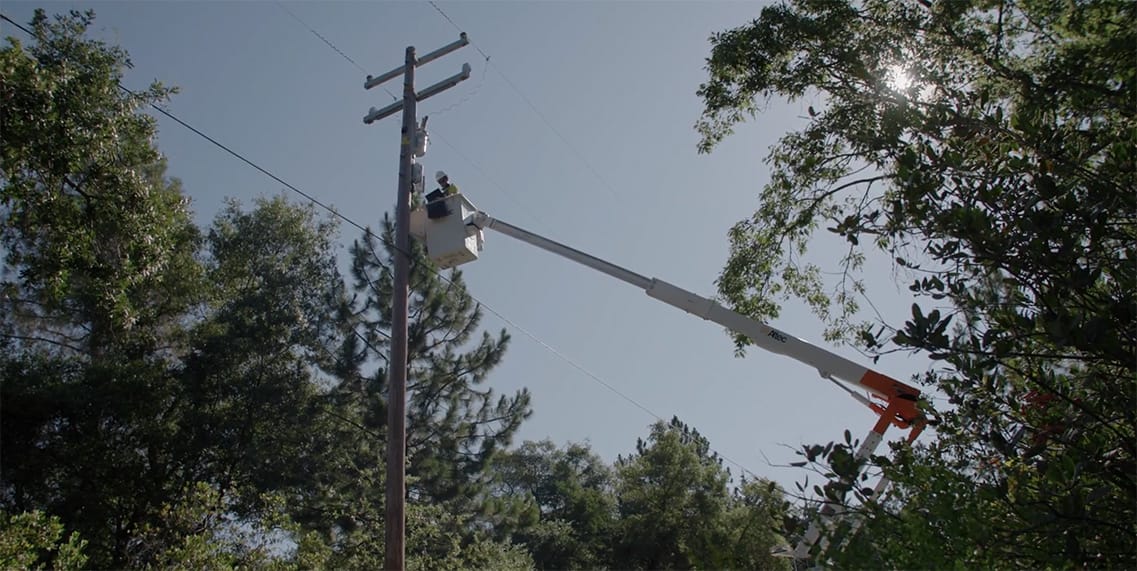

Australian Rural & Regional News asked a further question of IND.T, answered below.
IND.T, Media Release, 9 July 2024
Extreme weather and climate events are becoming more frequent and intense in Australia, with at-risk rural suburbs, particularly those housing isolated farming areas, often bearing the brunt.
Over the years, Australia has experienced several large scale bushfires, with many of these fires and 90 per cent of the associated fatalities caused by faulty power lines in rural areas, according to Professor Alan Wong, Founder and CEO of IND Technology.
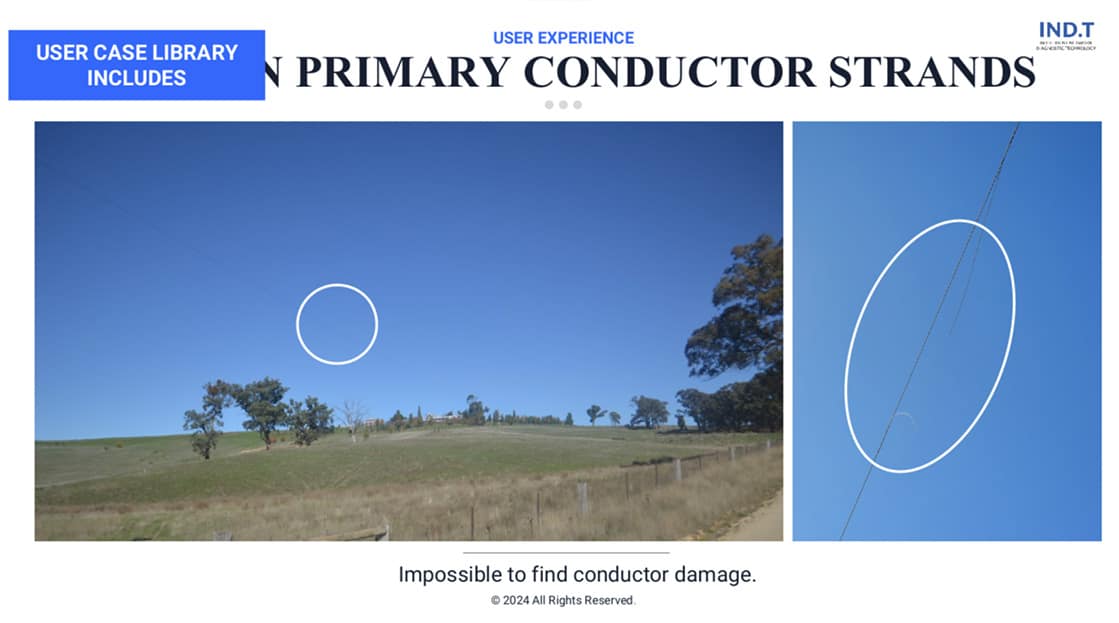
Communities and their residents in rural areas are more susceptible to such risks, often due to broken powerlines that fall to the ground, trees touching powerlines, broken insulators that drop a live wire onto a crossarm, high-voltage fuse malfunctions, and of course, pole fires.
“The impacts are devastating, including the destruction of homes, agricultural assets, public infrastructure, and the loss of lives. Waiting to recognise the urgent need to enhance community resilience to bushfire risks could mean acting too late,” Professor Wong said.
This urgency follows the Australian government’s release of its first National Climate Risk Assessment earlier this year, which found that the country is likely to see an increase in the frequency and intensity of extreme weather events, including wildfires.
Remedial maintenance can be conducted before faults cause bushfires or reliability issues. The early fault detection (EFD) system acts like a smoke alarm for the power network, enabling the prediction and locating of potential fires through this Australian-made innovation.
The first documented case of the EFD system was the successful prediction of pole-top fires on a 22kV distribution feeder in Victoria in 2014.
To date, there have been more than 750 successful use cases worldwide, including the early detection of tracking high voltage insulators, vegetation touches, and broken conductors before they fail.
“As a product manufactured in Victoria, the EFD system not only creates high-tech advanced manufacturing jobs but also helps us establish a more reliable energy network. This means fewer faults along power lines, better safety for workers, and a more stable energy supply for our rural communities,” said Professor Wong.
About IND Technology
IND.T is the designer and manufacturer of the award-winning EFD product based in Melbourne. The EFD system is being rolled out in the US and Canada to mitigate wildfires started by powerlines and to improve the reliability of power networks. The Early Fault Detection (EFD) product is manufactured in Victoria, generating high-tech advanced manufacturing jobs in Australia. The EFD system will create safer and more reliable energy networks.
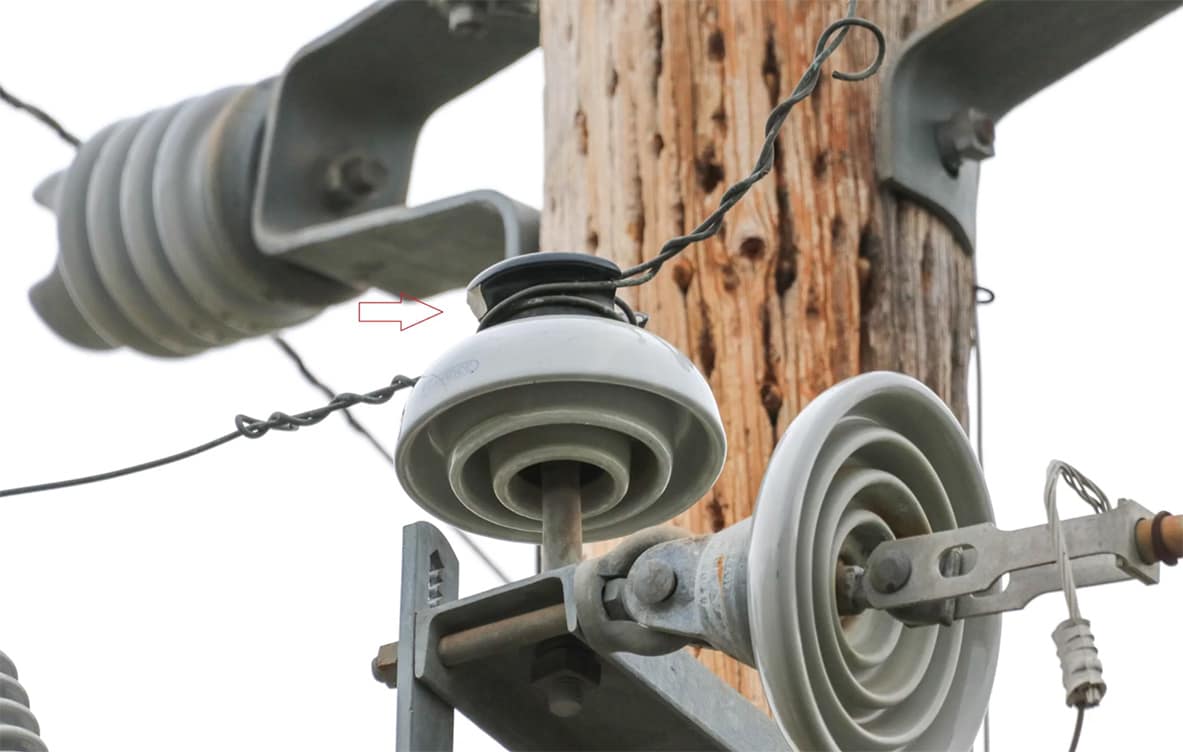
Australian Rural & Regional News asked IND.T for some more information about how exactly the technology is operated and how it works.
IND.T: With 2,500 units installed worldwide, the technology now monitors over 12,500 kms of powerlines and has prevented more than 750 failures and potentially saved lives. The technology covers up to 5 kilometres of power lines with 2 units.
The EFD system acts as a passive-listening device – It listens to radio frequency signals travelling up and down power lines. Some of these radio frequency signals are generated by failing assets on the powerlines. The EFD system uses the radio frequency information collected by the sensors to work out where and which equipment is failing.
With the EFD system, network owners can monitor every network asset 24/7, including during extreme weather when asset failures are likely to first appear.