The Rural Doctors Association of Australia (RDAA) is urging rural and remote Australians to make rural healthcare their “big ticket item” when deciding who to vote for in the forthcoming Federal Election.
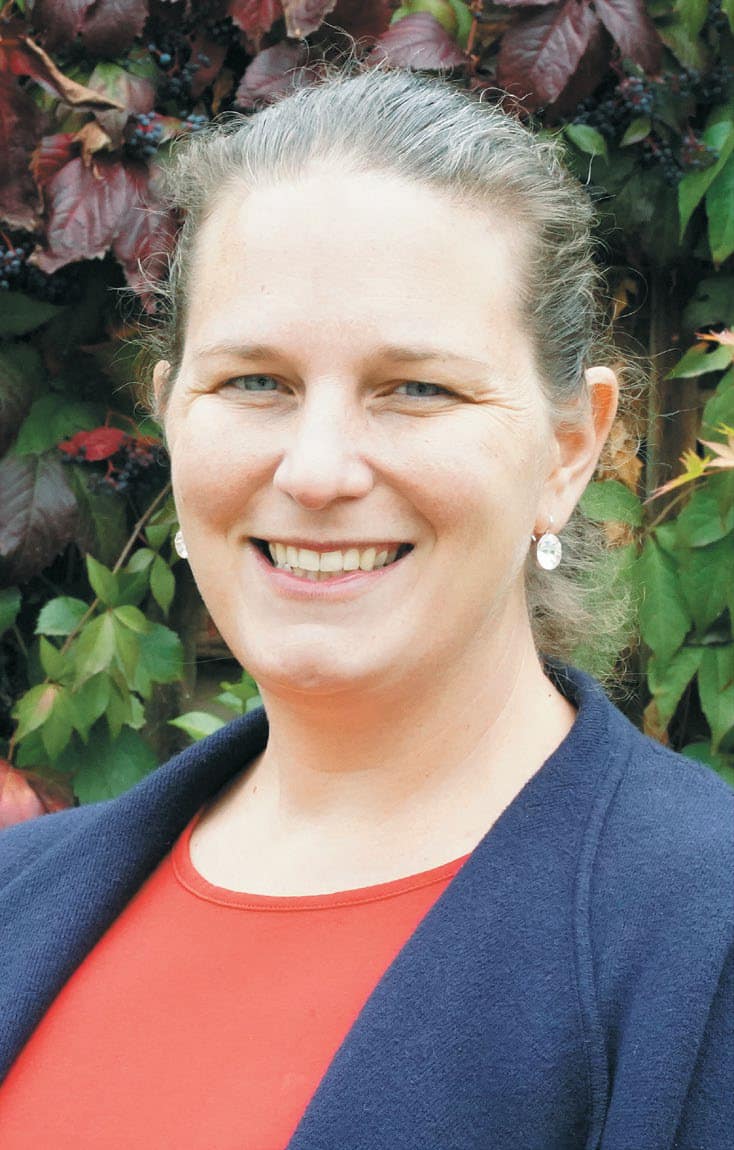
RDAA President
RDAA President Dr Megan Belot said the rural health system continues to struggle with workforce shortages and poor funding, as well as continued cuts to Medicare – most recently by the Coalition Government.
“We need the Coalition and Labor to commit to take urgent and real action in government to ensure rural Australians have a health system with a viable future” Dr Belot said.
“A recent Senate inquiry into the provision of GP services in rural areas has raised significant concerns with the ongoing shortage of doctors in the bush.
“It has backed the need for a substantial increase in Medicare rebates for GP consultations, and better location-based incentives to encourage doctors to move to rural communities.
“We urge rural voters not to be fooled by flashy, ribbon-cutting announcements about new hospital buildings or equipment.
“Yes, quality health infrastructure is important – but the focus needs to be on getting more doctors and other health professionals into rural and remote towns to deliver services”¦both this year and in 20 years.
“It’s no use having a shiny new hospital in town if there is no-one around to work in it.
“We need long-term measures in place NOW to encourage more doctors and other health professionals to work in rural and remote healthcare. This needs to align with the expansion of quality and supported training places and career pathways for junior doctors in rural areas.
“To achieve this, we need politicians to look further out than the three year election cycle – and make real policy commitments that will make a difference.
“Crucially, we need a commitment that the major parties will reverse poor decisions to cut Medicare items that support quality care in rural communities.
“In recent years, through the review of the Medicare Benefits Schedule and beyond, we have seen government make decisions that have had a significant impact on the ability of rural patients to access services locally – this must cease.
“General practice has yet to recover from the Medicare Freeze over many years that saw both Coalition and Labor governments target general practice services. These cuts were made to save a penny – but they have come at a great cost to rural healthcare and patients.”
RDAA is calling for a range of commitments from the major parties, including:
- A boost in rural training places for junior doctors to at least 400 full-time equivalent positions each year, as this would enable at least 1600 junior doctors to undertake part of their internship or junior doctor training in a rural setting annually. At the moment, there are not enough training opportunities available to keep junior doctors in the bush, or at a minimum to give them a Rural Medicine experience, leading many to simply opt for city-based medical careers.
- Full implementation of the National Rural Generalist Pathway to deliver more Rural Generalist doctors to the bush, including a single employer model for junior doctors wishing to train as Rural Generalist doctors, to provide them with more portable and tangible employee entitlements like personal leave and parental leave.
- As part of the National Rural Generalist Pathway implementation, reform of the Government’s Workforce Incentive Program (WIP) Doctor Stream by introducing additional classification tiers to recognise and reward the provision of after-hours emergency care and advanced clinical skills by doctors in rural areas.
- An expansion of face-to-face Consultant Specialist outreach services, and provision of support through the Primary Health Networks to local Consultant Specialist practices in rural areas.
- A commitment that District of Priority Area (DPA) status in determining health workforce support programs will not be expanded to include large regional centres and outer suburban locations, as this will drain doctors from rural and remote communities (without investment being made in other rural medical workforce measures, including support and retention measures, to offset the loss).
- Establishing a disaster register of Rural Generalists and rural GPs who have requisite skills, experience and training to enable their fast deployment during emergencies, disasters and pandemics – including to major incidents in their own regions.
- An urgent reversal of Medicare cuts which have reduced access to medical care for rural and remote patients. Firstly, reinstatement of the GP facilitated specialist care telehealth Medicare item. For many rural and remote patients, their only local access to Consultant Specialist care is via a telehealth consultation. Having their GP participate in these consultations is essential to the provision of quality and safe care. Secondly, reinstatement of rural GP access to the Medicare item covering the trace and clinical note service for patient ECGs, as this is an accurate reflection of the important service that rural GPs across Australia provide to their patients. An independent review has supported this claim and recommended government should accept the decision of the ‘referee’ and not move the goal posts on this issue.

This article appeared in the Narrandera Argus, 14 April 2022.