It’s the start of the ‘Seal-ly season’ on the Central Coast, says marine mammal specialist Ronny Ling.
Mr Ling, of Marine Wildlife Rescue Central Coast, said winter doesn’t highlight only the migration north of some whales; it also triggers some seals to head up the coast as well.
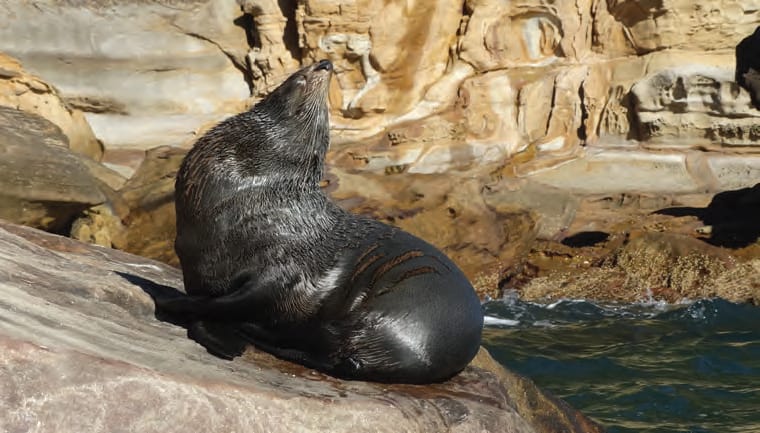
“Over the past couple of weeks, we have had reports of seals at Norah Head, Terrigal, Avoca, Bateau Bay and a few other waterways and beaches on the Coast,” Mr Ling said.
“In past years we have watched seals come in and out of Brisbane Water and Tuggerah Lake, with a couple spending over a month enjoying the views of the local waterways.
“It’s not unusual to see seals ‘hauling-out’ on land, as they spend half their life out of the water.
“They like to rest, or recuperate from exhaustion or injuries on the rocks or on the sand.
“This is absolutely normal especially if the seas have been rough.
“When the first European settlers arrived on the east coast of Australia, there would have been plenty of seals lounging around the headlands.
“Unfortunately, in the mid-1800’s the sealing trade decimated these animals and they have never recovered to their previous numbers.
“The only recognised breeding colonies in NSW, nowadays, are on Montague Island.”
Mr Ling said NSW was home to two different species of seals – Australian Fur Seals and Longnose Fur Seals (formerly known as New Zealand Fur Seals).
“In winter it is not unusual for Leopard Seals and Sub-Antarctic Fur Seals to leave the Antarctic areas and visit our coast as well,” he said.
“People often panic if they see seals swimming close to the shore or rocks.
“Don’t be alarmed; seals are experts at navigating shallow and rocky waters.
“In fact, they will often swim almost on to the rocks looking for crabs and octopus to eat.
“They will often raise their flippers in the air and look like they are injured or signalling for help.
“This is actually the seal using its large flippers to regulate its body temperature, by the sun and wind.
“They also keep their head constantly under the water, lifting only to breathe occasionally.
“This is because they are constantly on guard for prey and to not become someone else’s prey.
“If you see a seal, you should treat it with respect as they are wild animals and very unpredictable.
“Seals will not hesitate to protect themselves if they feel threatened.
“Never get between a seal and the water.
“Don’t bring other animals or children near them.
“Never try to feed them or touch them.
“Always stay 40m away; seals can be very fast on land.”
If you do see a seal or any other marine wildlife that may need help, please call Marine Wildlife Rescue Central Coast on 0478 439 965.

This article appeared in Coast Community News, 25 June 2026.