


National Farmers’ Federation (NFF), Media Release, 15 June 2026
Following ABC Landline’s profile of the pollination impacts of Varroa mite, the NFF Horticulture Council and the Australian Honey Bee Industry Council (AHBIC) are jointly calling on horticulture producers to plan now for a future where reliable, managed pollination can no longer be taken for granted.
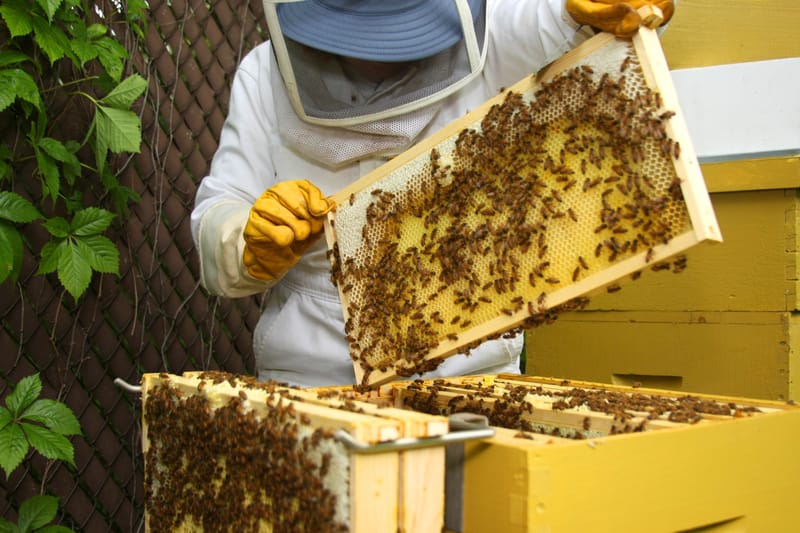
Varroa destructor is now established across New South Wales, Queensland, Victoria, South Australia and the ACT, with Western Australia and Tasmania the last jurisdictions free of the pest. The national Transition to Management program concluded in February 2026, confirming that Varroa is here to stay and that the cost and complexity of pollination has changed permanently for Australian growers.
Yesterday’s program brought this reality to a national audience, including the decline of feral honeybee populations that many crops have historically relied on for free, ambient pollination.
“For decades, a large share of horticulture’s pollination has come from feral bees that growers never had to think about, let alone pay for,” said Richard Shannon, Executive Officer of the NFF Horticulture Council.
“Varroa is steadily removing that invisible workforce. The growers who likely fare best from here will be the ones who treat pollination as a managed input — planned, budgeted and contracted — rather than something the landscape provides for free.”
“This is not just a beekeeping problem — it is a national food production and resilience issue,” said Danny Le Feuvre, Chief Executive Officer of AHBIC.
“Beekeepers are doing everything they can to keep healthy, strong hives in the system, but they are now carrying permanent management costs and the added pressure of emerging chemical resistance. Growers and beekeepers are in this together, and securing pollination for Australia’s horticulture industries depends on us planning side by side.”
Tips for beekeepers:
- Varroa is now a permanent feature of the Australian landscape, not a passing incursion. With the pest established across the eastern states and the national Transition to Management program concluded, growers can no longer rely on feral bee populations for incidental pollination and should plan for managed pollination as a core input cost.
- Pollination security is shared between growers and beekeepers. Beekeepers face higher hive management costs, hive losses and emerging miticide resistance. Early engagement, fair pollination agreements and good on-farm practices that protect hive health are now essential to keeping strong hives available when and where crops need them.
- Preparation reduces risk. Growers who understand their crop’s pollination requirements, build relationships with reliable pollination providers early, and factor rising hive costs into their planning will be far better placed than those who wait until pollination becomes scarce or expensive in their region. Secure your pollination early. Contact your pollination provider or local beekeeper now to confirm hive availability, pricing and agreements for your next flowering window, well ahead of the season, and build a written pollination plan into your crop budget rather than leaving it to chance.
To help growers prepare, the NFF Horticulture Council and AHBIC will co-host a national grower webinar on managing pollination in a Varroa-endemic Australia. The session will cover what the end of the Transition to Management program means on farm, how to structure pollination agreements, and practical steps to protect pollination security across horticulture commodities. The webinar will run 12.00 – 1.30pm, AEST Wednesday 5 August. Register now here.

