


BirdLife Australia, Media Release, 25 May 2026
The results of BirdLife Australia’s Aussie Bird Count are in with a record breaking 5 million birds counted during the week-long national bird counting frenzy held in October last year. 64,000 Australians took part in the Count in the 12th year running of what has arguably become Australia’s most popular citizen science event.
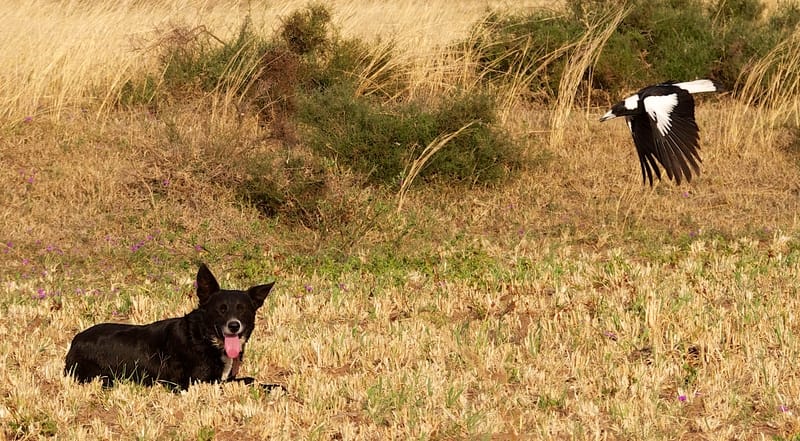
The Australian Magpie swooped into top spot as the bird Australia sees the most. One in every two surveys completed in 2025 included a sighting of the iconic black-and-white bird, highlighting its ubiquitous presence in Australian life.
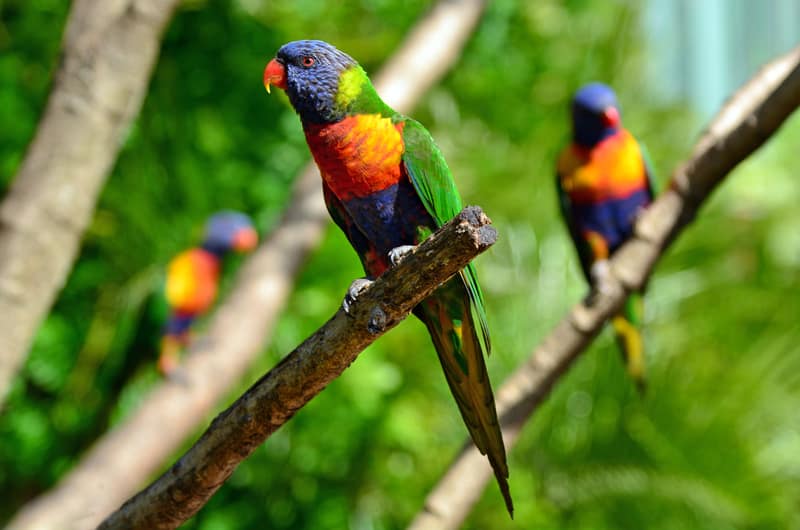
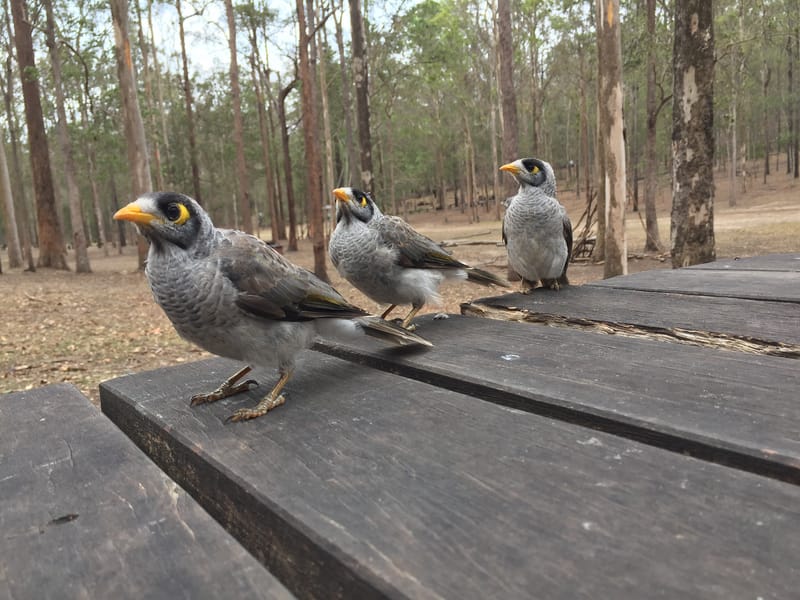
The Rainbow Lorikeet claimed second position on the list of our most commonly spotted species, ahead of the native Noisy Miner, the Sulphur-crested Cockatoo, and the Magpie-lark. As in previous years, the Rainbow Lorikeet was the most abundant bird counted across Australia due to regular sightings of colourful flocks.
“Because rainbow lorikeets are more social, hanging out in flocks, when we see them, we see more of them.” said BirdLife Australia’s National Public Affairs advisor (and chief bird-nerd) Sean Dooley. “But the magpie is the bird we encounter most often. Every second person who did the Count last year added a magpie to their list.”
Australia’s most commonly seen birds in the 2025 Aussie Bird Count
- Australian Magpie
- Rainbow Lorikeet
- Noisy Miner
- Sulphur-crested Cockatoo
- Magpie-lark
- Galah
- Red Wattlebird
- Crested Pigeon
- Welcome Swallow
- Common Myna
Sightings were recorded in all corners of the country, even in far-flung territories of the Christmas and Cocos Islands and sub-Antarctic Heard Island. Most bird counts though (around 70 per cent) were conducted in built-up areas, adding to a national snapshot of the birds sharing our increasingly urbanised world.
Notable shifts in the overall results from previous years include some birds outside of the top ten climbing the ranks of those we see most often. The Australian White Ibis has climbed from 23rd place in 2021, to 14th last year. In NSW and Queensland the Australian Brush-turkey is also scratching its way up the ladder.
“Birds respond to the changes we make to our environment. Everybody knows the bin-chicken, especially in Sydney and Brisbane where they’re doing well in the city. Birds like these have found ways to take advantage of urban growth, and it’s encouraging to see native species adapting like this.
“Sadly, the flipside to that story is the birds in need of other kinds of habitat, like smaller bush birds, get pushed into decline as their habitats are destroyed,” said Sean. “It’s a reminder that the changes we make have an impact. Adding native plants to your garden can offer a lifeline to those other Australian native birds that we’re more worried about.”
Sean says the growing popularity of the Aussie Bird Count reflects renewed interest in a classic hobby. “BirdLife Australia turns 125 this year, and it all started when a passionate community of people observed the birds around them and shared their sightings with others. That’s still the backbone of everything we do. The Aussie Bird Count is an open invitation to have a go yourself, or with friends. For many people, that can be the start of a rewarding hobby that helps the scientists protecting birds from extinction.”
“The Aussie Bird Count is a fun way to give bird watching a go while adding to a valuable national snapshot in the places we live, work and learn. The popularity of bird watching is really taking off around the world, so if you tried it and you loved it, we strongly encourage you to keep looking out for birds, taking notes, and sharing what you see on our Birdata website.”
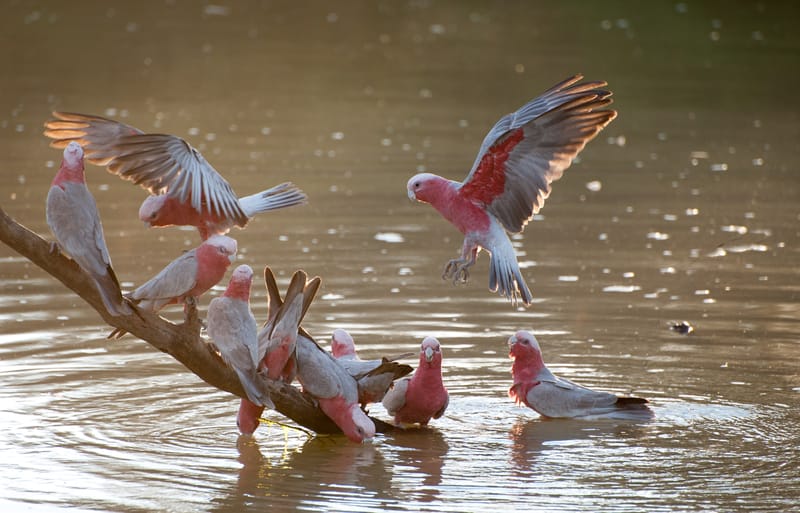
Photo: John Carnemolla.
The full results are available on the Aussie Bird Count website.
The 2026 Aussie Bird Count will take place in bird week, from 19–25 October. Bird lovers are encouraged to visit the Aussie Bird Count website (www.aussiebirdcount.org.au) to sign up for updates and join the fun in October.

