

TasFarmers, Media Release, 1 April 2026
TasFarmers welcomes the Tasmanian Government’s decision to update its gene technology policy, enabling farmers to access advanced plant breeding technology.
TasFarmers CEO Nathan Calman said the decision reflects a practical, evidence-based step forward for the state’s agricultural sector.
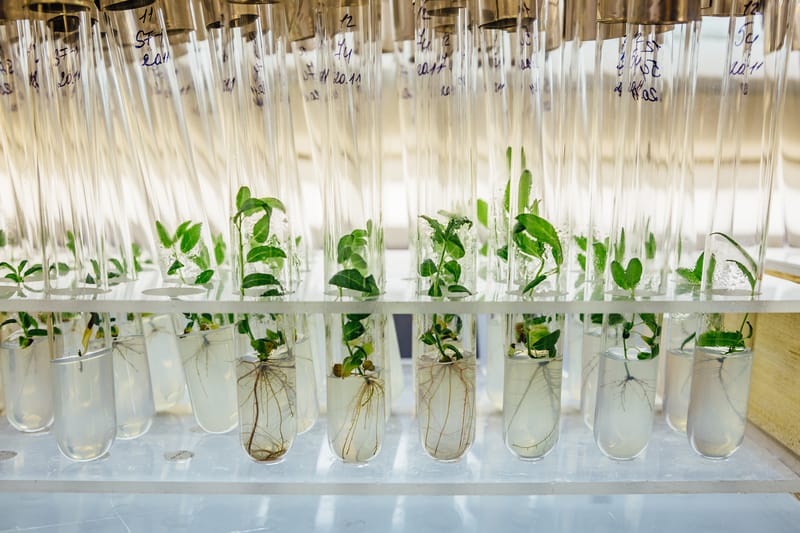
“This is not about splicing genes from one organism to another; it is a process that simply accelerates what farmers would do in the paddock to improve plant traits that make them hardy and more resilient.
“Scientists refer to this as site-directed nuclease-1 (SDN-1) technology. SDN-1 techniques allow for precise changes within a plant’s existing DNA, accelerating natural breeding processes without introducing genetic material from other species.
“This is a sensible approach, and this change recognises newer precision breeding technologies,
“Access to this innovation will be critical as global agricultural conditions shift and pressures on productivity and resilience intensify.”
“SDN-1 technology represents a significant leap forward in plant breeding, offering precision, efficiency, and the ability to address challenges such as climate adaptation, pest resistance, and productivity, without introducing foreign DNA,” Mr Calman said
Mr Calman said the change will help ensure Tasmanian producers remain competitive with interstate and international counterparts, many of whom already have access to similar technologies.
“This is about giving farmers the tools they need to respond to challenges on farm, while maintaining the integrity and reputation Tasmania is known for,” Mr Calman said.
TasFarmers said the Government has confirmed that organisms developed using SDN-1 will not be classified as genetically modified, and that the existing GMO moratorium will remain in place.
“The distinction is important. This is not about introducing foreign DNA or changing Tasmania’s position on GMOs,” Mr Calman said.
“It’s about enabling innovation that builds on natural processes, in a way that supports both productivity and preserves the Tasmania brand.”
TasFarmers said it will continue to work with the government, industry and members to ensure the rollout of the updated policy is well understood and supports both on-farm outcomes and market expectations.