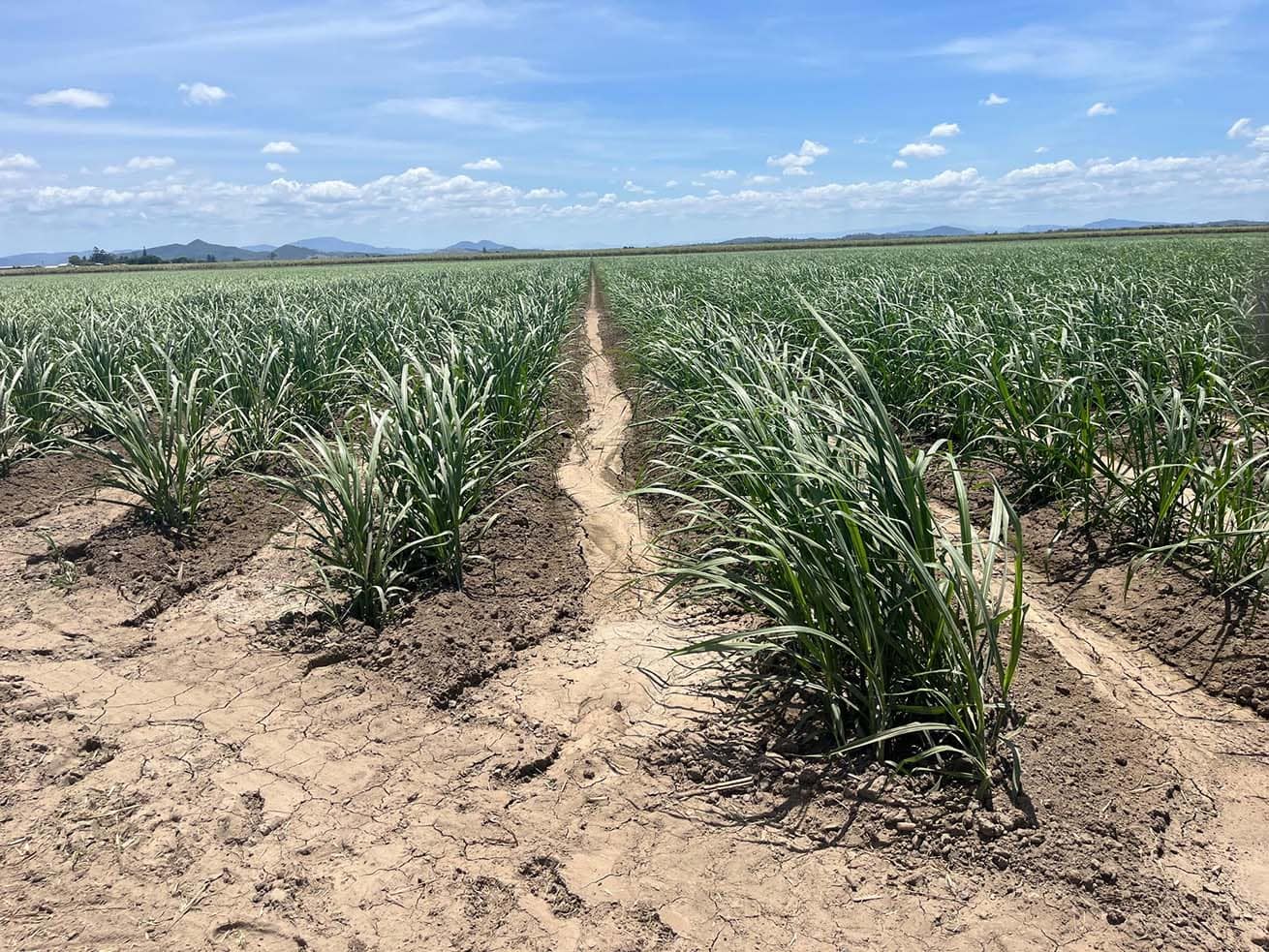
Global events can often feel distant from the day-to-day work of running a farm. But the recent tensions around the Strait of Hormuz serve as a reminder that many of the inputs Australian agriculture depends on travel a long way before they reach our paddocks.
The Strait of Hormuz is one of the most important shipping routes in the world. Between a quarter and a third of global trade in the raw materials used to produce fertiliser passes through that narrow stretch of water. The region is also home to some of the world’s largest fertiliser production facilities.
If shipping disruptions persist, the ripple effects could be felt well beyond the Middle East. For farmers here in Australia, it raises an important question: how resilient is our agricultural system when it relies so heavily on global supply chains for critical inputs?
Fertiliser is central to modern agriculture. Roughly half of global food production relies on synthetic nitrogen (Urea), and without them crop yields would fall sharply. Australian farmers understand this better than anyone. For farmers, fertiliser isn’t optional: it’s fundamental to maintaining productive crops and feeding both domestic and export markets.
But the same global system that makes fertiliser widely available can also make them vulnerable.
When fertiliser supply tightens globally, prices rise quickly. Farmers then face difficult decisions about whether to absorb the higher cost, reduce application rates, or take a risk on lower yields. In the long run, those pressures can flow through the entire food system.
This is why conversations about national capability in agriculture are becoming increasingly important.

CEO, Genesis Algae Innovation.
Australia has an opportunity to think differently about how we support farm productivity. Instead of relying exclusively on imports, we can invest in locally produced biological and nutritional solutions that complement existing fertiliser systems and reduce pressure on global supply chains.
At Genesis Algae Innovation, we have been working on one such approach using Australian-grown chlorella algae.
Grown here in the Great Barrier Reef region, Genesis Chlorella is a naturally occurring microalgae with a unique nutritional profile. When incorporated into livestock feed or crop systems, our AlgaeFert fertiliser boosts crop growth up to 30 per cent above traditional fertilisers and improves soil health. It also helps farmers significantly reduce the amount of chemical fertiliser used and reduce the reliance on imported nitrogen.
Genesis managing director, Colin McGregor, highlighted a significant breakthrough in natural and biological crop development, moving away from chemical fertiliser application. “Some of our customers have been able to reduce their nitrogen fertiliser application by up to 90 per cent,” stated Mr. McGregor, adding that this has also resulted in “a notable yield increase and crop quality.”
This is due to Genesis’ Chlorella ability to amplify nature’s process of extracting nitrogen from the air and converting it into ammonium compounds in the soil as well as delivering nutrients directly to the heart of the plant and soil through the applied Rhizophagy cycle.
For farmers, the appeal is practical. It’s not about replacing fertiliser overnight or introducing complexity into already demanding operations. It’s about adding new tools that help producers get more value from the systems they already use.
Just as importantly, our product is produced and developed on-large scale domestically.
Australia already has the scientific capability, agricultural expertise and environmental conditions needed to lead in this space. Investing in locally grown agricultural inputs is not only good for farmers; it strengthens the resilience of the entire food production system.
The goal should not be to disconnect from global markets. Australian agriculture thrives because it is deeply connected to them. But resilience means having options when those global systems come under pressure.
Events in distant shipping lanes may seem far removed from a paddock in regional Australia, but they highlight something farmers have known for generations: the strength of agriculture often comes down to the reliability of the inputs that underpin it.
The more we can develop those capabilities at home, the better placed we will be to support farmers, protect productivity and ensure food security in an increasingly uncertain world.
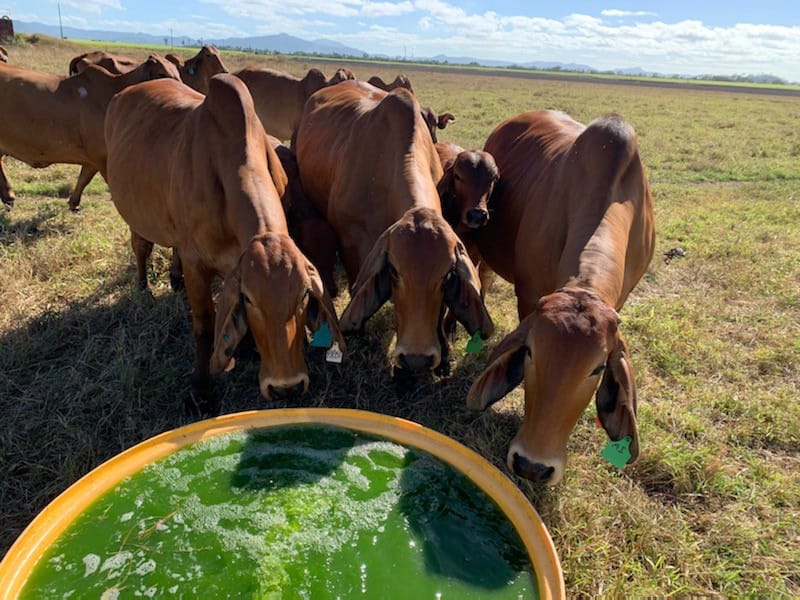
Photo: Genesis Algae Innovation.