


Bendigo Bank, Media Release, 10 February 2026
Extreme weather, the rising Aussie dollar and fluctuating global demand have driven a complex start to the year for Australian agriculture, Bendigo Bank’s Agribusiness Insights team outline.
Key insights from the latest Commodity Update include:
- Pressure on producers as extreme weather impacts livestock, damages infrastructure
- Rising Aussie dollar adds downward pressure to key commodities
- Cost of living drives demand for cheaper, less perishable vegetables
- Almonds set to shine while red and black table grapes suffer setback
- Near-record winter crop harvested.
Bendigo Bank’s Senior Manager Industry Insights, Eliza Redfern said: “Australian agriculture is facing a complex operating environment. Extreme weather has created hardship for some producers in impacted regions, although tight supply is supporting prices in the sheep and wool sectors. Some of the biggest factors to watch are the higher Australian dollar and shifting consumer habits, creating headwinds for our export-focused commodities and testing demand for premium produce at home.”
An abundance of almonds, while grapes lose some shine
The Australian horticulture sector is experiencing a season of mixed fortunes under hot and dry weather.
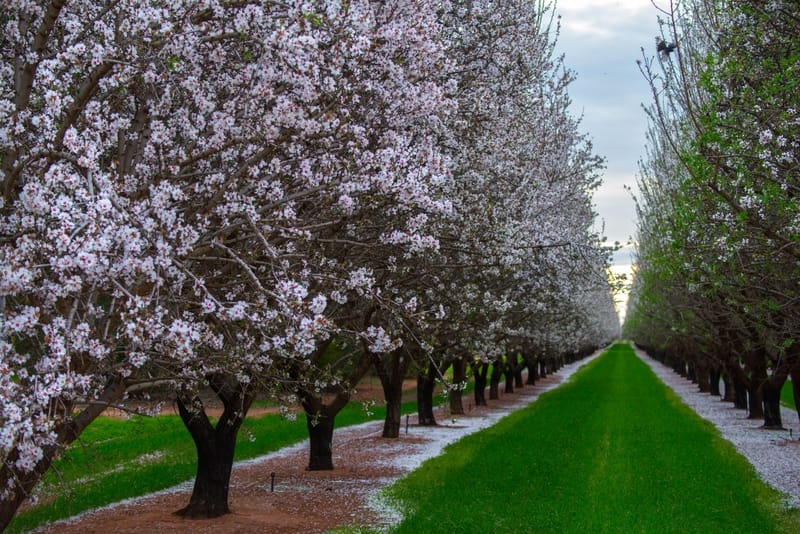
The almond industry is poised for a strong harvest with a large crop forecast and firm pricing, supported by strong export demand. In contrast, the heat has negatively impacted the quality of some red and black table grape varieties, inhibiting colour development. Meanwhile the Tasmanian cherry season has produced exceptional quality fruit, commanding reliable markets in Asia.
From a consumer perspective, pressure on household budgets is contributing to a shift in buying habits, with many seeking out more budget-friendly produce including less perishable fruit and vegetables. However, while demand for traditionally cheaper vegetables like potatoes and onions is growing, limited supply has actually pushed their prices higher. Read more.
Cattle prices fall but global beef demand surges
With producers in severe weather-affected regions forced to sell stock, prompting a surge in supply, the Australian cattle market has seen prices decline to start the year. The National Young Cattle Indicator is currently sitting at 447 c/kg, a fall of 7.5 per cent since the first week of the 2026. This influx of cattle without an accompanying lift in demand from processing centres and re-stockers has left prices waning.
Nonetheless, national beef export volumes sailed to a new January record, 20 per cent above the five-year average for January. While most demand is coming from the US and China, China’s new import quota on Australian beef may start to impact this in 2026. Read more.
Aussie lamb prices start to rise in January
Sheep and lamb markets started the year strongly, with prices holding firm and even rising throughout January. Tight supply continues to be the major driver of the market, somewhat exacerbated by the Victorian bushfires in early January, with lamb yardings and processing rates trailing behind this time last year.
On the export front, sheepmeat volumes had a slow start to the year with the strengthening Australian dollar posing a significant headwind, making Australian lamb and mutton less competitive in key international markets like China and the US. Read more.
Wool prices lift but sharp rise in Aussie dollar takes toll
The Australian wool market saw prices lift in early 2026, underpinned by tighter supply and improving consumer confidence in the key markets of China and Europe. Following significant destocking in previous seasons, the ongoing reduced supply of wool continues to provide fundamental support to the market.
However, the recent and sharp appreciation of the Australian dollar has taken its toll, halting the price rally in Australian dollar terms.
For the immediate future, prices are expected to remain steady to slightly firmer, with the tight supply providing support while the strong Australian dollar limits potential gains. Read more.
Dairy market improves – but is it a blip?
The dairy market has experienced a positive start to the year, with export prices on the GlobalDairyTrade platform showing an upward trend.
While this provides some relief for Australian dairy product competitiveness, the global market remains characterised by strong supply from other key exporting regions.
Back home, Australian milk production increased for the first time in nine months. However, the industry continues to grapple with significant constraints, including dry conditions in key regions, high input costs, and a smaller national herd. Consequently, overall milk production for the season is still forecast to be slightly below last year’s levels. Read more.
Near record winter crop harvested, though pricing remains a mixed bag
A near-record winter crop has been harvested, with results pointing to a massive 66 million tonnes largely thanks to a better-than-expected finish in Western Australia.
Export performance has been mixed. Barley and canola shipments are tracking strongly, with barley in particular benefiting from robust demand from China. Wheat exports, however, are lagging the required pace to clear the substantial surplus.
Wheat prices remain under pressure from the dual headwinds of a strong Australian dollar and abundant global supply. Cautious buying from domestic users is also limiting any potential for a near-term price recovery. Read more.

