


The Hon. Tara Moriarty, Minister for Agriculture (NSW), Media Release, 25 May 2025
The Minns Government is using helicopters to provide isolated farmers with emergency fodder for their stranded livestock, as part of a range of support available to flood-affected farmers across the Mid-North Coast, North Coast and Hunter.
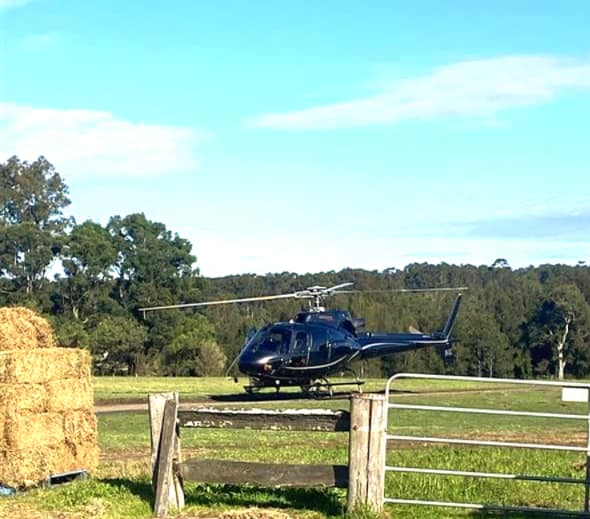
As of midday Saturday, 24 May, there have been 43 helicopter aerial drops of fodder, and nearly 131 emergency fodder drops by other means. There have also been 15 requests for animal assessment and veterinary support.
The NSW Department of Primary Industries and Regional Development (DPIRD) with Local Land Services (LLS) teams, with around 80 people available for responding, are working together as the Agricultural and Animal Services Functional Area (AASFA), that is managing the agricultural and animal welfare hotline and its response activities.
The AASFA operation is providing farmers with emergency fodder in cases of immediate animal welfare concern, aerial support for isolated or stranded livestock, and fodder drops to farmers in the Hunter and other areas affected.
Another important element of emergency response and recovery for farmers and communities impacted by natural disasters is the difficult process of deceased animal disposal.
Through the AASFA emergency hotline, farmers and community members can make requests for carcass disposal and report deceased livestock, either on properties or that have been transported by floodwaters off properties and into community spaces.
The correct management of deceased or unwell livestock after a natural disaster is important to minimise the impact on the environment, distress to owners and the public, and to reduce the risks to human and animal health through the spread of disease.
Impacted farmers can call the AASFA hotline: 1800 814 647 (8am to 6pm, 7x days a week)
NSW Minister for Agriculture, Tara Moriarty said:
“This extreme weather event has ended up being more impactful than thought possible and I want to praise the work of farmers for all their efforts in protecting their livestock as well as they have. Unfortunately, the rain and flooding has caused a lot of damage and taken many animals with it.
“The AASFA team is ready to assist with emergency fodder, stranded animals and veterinary treatment plus the necessary work of carcass removal.
“Farmers and the community can call the hotline and request assistance and the AASFA team will respond and service those in need.
“The NSW Government is providing emergency fodder, veterinary care, management advice and aerial support for isolated stock. Farmers are not alone and can call our hotline for assistance.
“Animal welfare will continue to be a top priority over the coming days as waters recede.”
Department of Primary Industries and Regional Development, Director Emergency Management Dr Leigh Pilkington said:
“I would like to thank all landholders and community members for being proactive in taking steps to prepare for this event and reporting their deceased animals, so our team can make the appropriate disposal arrangements,” Dr Pilkington said.
“We know it is an incredibly difficult time for landholders, and we have teams ready to assist them where we can. I would encourage landholders to reach out to DPIRD for help.
“We have vets from Local Land Services ready to help with animal assessment, treatment and euthanasia on welfare grounds and carcass disposal.”
Assistance available through AASFA includes:
- Animal assessment and veterinary support
- Euthanasia of animals on welfare grounds
- Emergency fodder (where there is an immediate animal welfare concern)
- Emergency stock water (where there is an immediate animal welfare concern)
- Livestock feeding and management advice
- Aerial support for isolated or stranded livestock

