


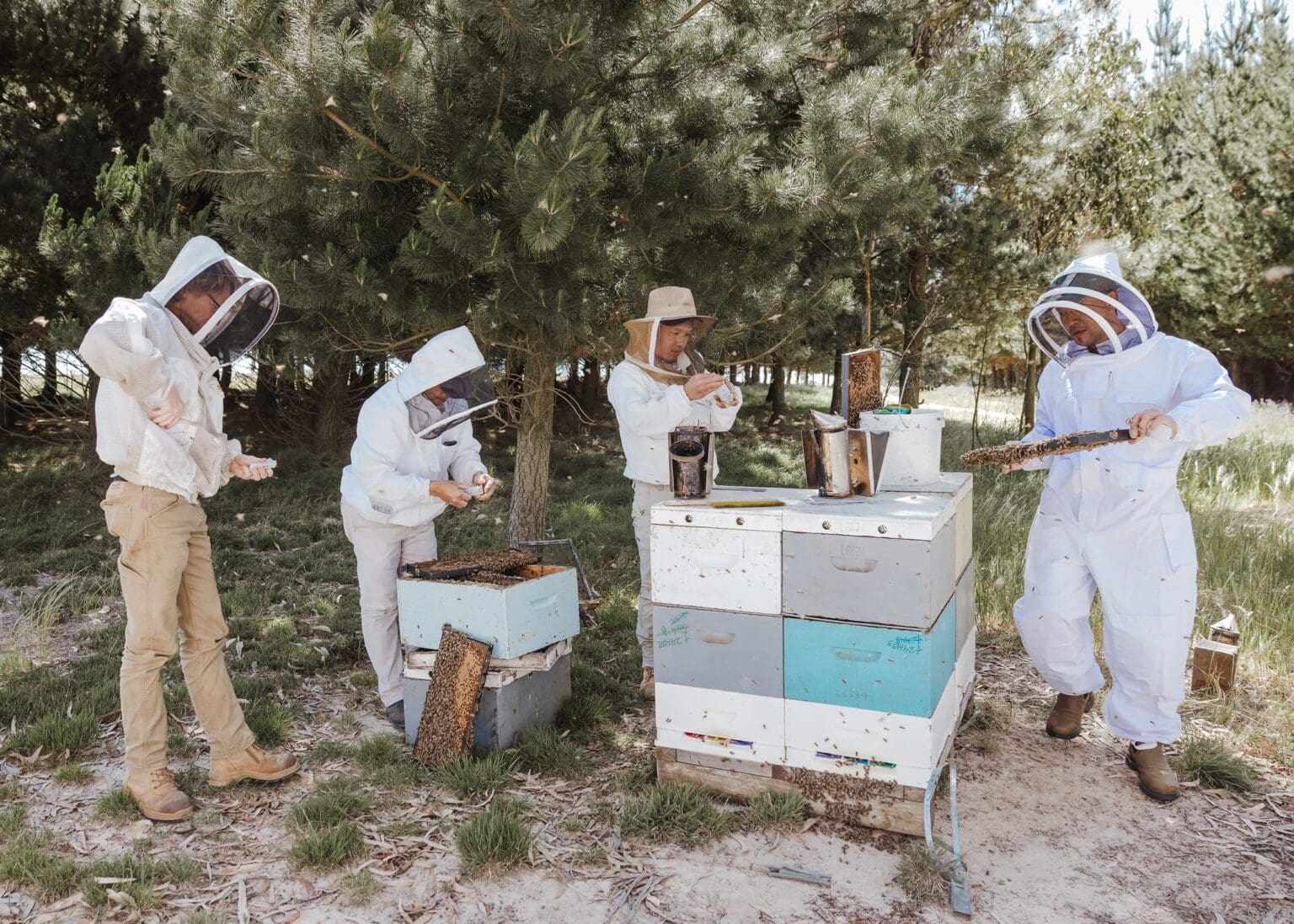
The 2024 Australian Colony Loss Survey closes in two weeks – here’s why all beekeepers should take part.
AgriFutures Australia, Media Release, 27 February 2025
With just two weeks to go until the 2024 Australian Colony Loss survey closes, time is running out for beekeepers to let their industry know what the biggest issues facing them are. The data being collected are vital for industry and government to manage the many challenges faced by beekeepers.
It’s not just about Varroa
While the Australian Colony Loss survey is being run as part of the National Varroa Transition to Management Program, it’s not just about Varroa. Many other issues affect colony health in Australia, such as American foulbrood, small hive beetle, queen problems, natural disasters and more. Our survey is collecting data about all the factors that drive colony losses in Australia. In this way, we can provide fact-based evidence to inform policies that will help beekeepers across the country maintain successful businesses.
It’s part of an international initiative
While the 2024 Australian Colony Loss survey is the first of its kind being run in Australia, it’s part of an international initiative (COLOSS) that runs similar surveys in over 40 other countries. New Zealand has run an annual colony loss survey since 2015, and the data they’ve collected has provided important insights about what causes colony losses in New Zealand, and what can be done about it.
By telling us about your experience as a beekeeper in Australia, we’ll be able to provide feedback that will help you know where you stand compared with beekeepers around Australia and the world.
It will help beekeepers manage their businesses
By filling out the survey, individual beekeepers will tell us what the biggest issues they faced in 2023-24 were. We’ll use these individual responses to get the big picture about what causes colony losses in Australia. We’re collecting information relevant to season and location, which is why we need all beekeepers from all over Australia to take part.
For example, the 2023 New Zealand survey showed that Varroa is indeed the most important factor in colony losses, with 51 per cent of colony losses in winter attributed to Varroa. In autumn Varroa-related issues caused about 36 per cent of losses, with queen-related issues close behind at 31 per cent. Thus New Zealand beekeepers now know that in autumn, they are likely to lose nearly as many colonies to queen-related issues as they are to Varroa and can manage their operation accordingly.
As this is the first Colony Loss survey being run in Australia, we don’t yet have this kind of information – which is why we need beekeepers to tell us. This will allow for more targeted management strategies and inform industry and government as to where their efforts should be focused based on the time of year and geographical location.
It will ensure the future of our industry
Beekeepers face many challenges year-to-year. Pests and diseases, extreme weather, bushfires and many other issues have significant impacts on beekeeper businesses. The best way to make sure beekeeping remains a sustainable industry is to know exactly what the impacts of these various factors are, and to map their trends over time. The Australian Colony Loss survey will be run annually, so we can track changes in the impact of various factors over time and know where to focus efforts to help beekeepers overcome these challenges.
The 2024 Australian Colony Loss survey takes 7-15 minutes to complete, and by doing so, you’ll help tackle the biggest issues facing beekeepers in Australia. You have until midnight on 10 March 2025 to have your say!

