

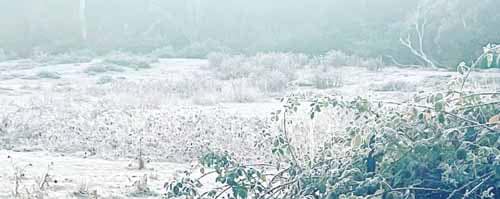
The recent frosty mornings in our area might inspire us to cosy up inside by a fire or with a loved one, but university studies have found that Australians have colder houses than people in similar climates around the world. Experts from RMIT commented last week about the phenomenon in which Australians have lower standards for warmth in their homes, leading to health risks.
“The Australian building code has, for a long time, been much less stringent than comparable nations in similar climate zones, such as the US and Europe,” says Professor Ralph Horne from the College of Design and Social Context at RMIT University.
“As far back as 2005, research comparing Australian cities to those overseas found housing in compatible climate zones in North America and Europe was 55 per cent more efficient for heating and cooling energy compared to minimum standard housing in Australia.”
Australian houses are commonly draughty, lacking proper insulation, or simply not heated efficiently. New homes, which are often built to large proportions, can be expensive to heat effectively. Older houses lose heat quickly through walls, windows and cracks.
“Cold homes are also considered normal in Australia,” says Dr Nicola Willand, of RMIT’s School of Property, Construction and Project Management. “That ‘chill in the morning’ is a certainly a widely shared experience in Australia – but it shouldn’t be.”
Occupants cope by rugging up inside, but that’s not enough to mitigate the health issues around living in a cold house.
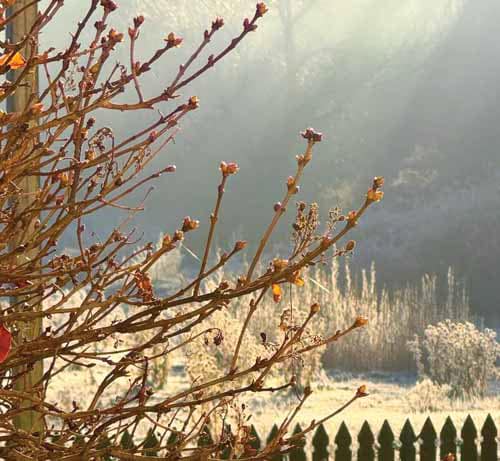
“Many people are unaware of the health risks associated with cold homes,” says Dr Willand. “Keeping warm advice that focuses on body warmth ignores the risks of cold indoor air for respiratory and heart health, infections and mould.”
The experts advise that it is possible to make our homes warmer, using a mix of large and small retro-fitting options, and they point to some existing resources to help determine the most cost-effective approach for each home.
“Retrofit includes low-cost options like sealing up gaps and cracks, and adding or improving insulation in the ceiling, walls and underfloor – through to more significant changes like installing double glazed windows,” says Dr Trivess Moore, School of Property, Construction and Project Management at RMIT. “Use resources like the YourHome website and sustainability organisations like Renew.”
The RMIT experts also recommend government intervention in the form of financial support or rebates for retrofits, and suggest that the retrofit industry needs to be prepared for the large task of making more Aussie homes warm.
Meanwhile, the Bureau of Meteorology predicts that chilly mornings will continue. Coliban Water Executive General Manager Customer and Stakeholder, Lauren McLean, warns that while most homes now have digital water meters fitted with covers, meters and pipes above the ground have an increased risk of becoming frozen, preventing water flow.
“For those who don’t yet have a digital meter, you can do your part preventing your water meters becoming frozen by covering them with an upturned bucket, cardboard box or even an old tyre – as long as it can be removed for meter reading and maintenance,” says Ms McLean.
While it might be tempting to pour hot water over the meter, it can also cause a split or burst.
“If your water meter or pipe does freeze the best solution is to wait for the temperature to rise and for the meter to naturally unfreeze,” Ms McLean says.
As overnight temperatures drop in our region, we can all look for small ways to retain heat, reduce breezes inside and stay healthy over this cold period in central Victoria.

This article appeared in the Tarrangower Times, 28 June 2024.

