


Rural Bank, Media Release, 9 May 2023
Rural Bank Insights provides a monthly commentary on production and pricing trends for Australian agriculture, providing producers with a timely overview of current trends and an outlook for the coming months. The following snapshots link to the main report.
Cattle – Commodity Overview:
Australian cattle prices are expected to remain relatively stable throughout the next month as supply rebounds following a month of lower slaughter rates due to public holidays closing markets and processing centres. National beef exports are also likely to rise in May as supply levels begin to return to normal and US supply continues to decrease. Despite a slowdown in April, year-to-date slaughter rates across all states continue to be higher in 2023. Significant growth has been recorded in Queensland and Victoria of 23 and 18 per cent respectively. Further growth will be restricted by processing capacity being near full capacity. Year-to-date national exports sit 23 per cent firmer than 2022 and 7.5 per cent higher than 2021. With US supply forecast to continue declining throughout 2023, opportunities for Australian beef into China, Japan, South Korea and the US are likely to improve in the coming months.
Full story: Insights | Rural Bank
Cropping – Commodity Overview
Australian winter crop sowing is underway with favourable conditions across most regions. Early planted crops have germinated well and are off to a good start. Global wheat prices have been pressured lower from improved weather conditions in the northern hemisphere and the prospects of a 22-year high in Canadian planted area. Wheat is facing pressure from improved weather conditions in the northern hemisphere. This has led to recent upgrades in the US winter wheat crop ratings. Export markets have gained some support from the confidence gained by the potential return of exports to China. But there is still much that needs to occur before this becomes a reality. Export demand for Australian grain remains strong. ABS data shows wheat and canola exports are at record pace to the end of February. China remains Australia’s largest consumer of wheat with 26 per cent of market share and is on target to import over seven million tonnes of Australian wheat this season. Traditional Asian destinations Indonesia, Japan, and Philippines are also strong buyers.
Full Story: Insights | Rural Bank
Dairy – Commodity Overview:
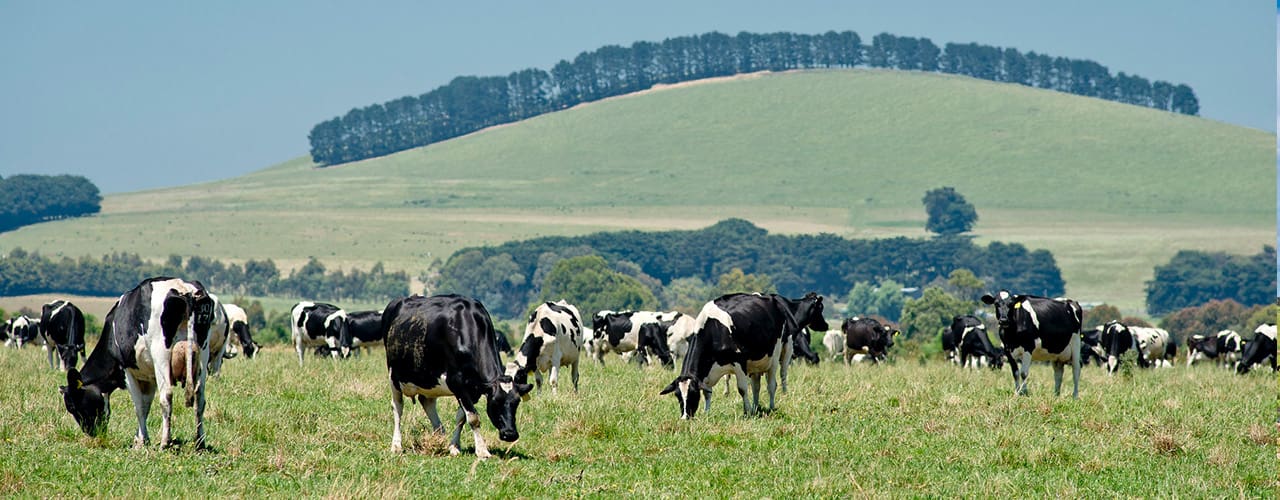
Australian milk production remains below average and full season production is likely to be 8-8.2 billion litres. Global dairy prices have lifted in the past two auctions, with most products now sitting around five-year averages. New season farmgate prices are due to be announced this month, with producers keeping a close eye on markets. Season to date milk production remains 6.2 per cent down on last year, and 8.3 per cent below the five-year average. Victorian production still seems to be suffering from the lingering effects of flooding. Victorian milk production in March was 5.8 per cent below last year, the largest decline of any state. In some good news for Australian producers, global dairy prices have lifted in the two most recent Global Dairy Trade auctions. Butter, cheddar and both whole and skim milk powder recorded consecutive increases. With shrinking local production, processors will be weighing up how they can attract required supply while remaining competitive in domestic and export markets. Processors will be keeping a close eye on the market in the lead up to the new season.
Full story: Insights | Rural Bank
Horticulture – Commodity Overview
Harvest of the popular Hass avocado variety has begun. Strong production is forecast which will put pressure on prices over the next month. Australian citrus harvest is also underway with the Navel variety about to begin harvest in the Murray Valley and Riverland regions. The price of tomatoes across Victoria are continuing to rise with hailstorms in March impacting supply.
Fruit: Table grape harvest is now essentially finished following a delayed start to the season. Wet and cool weather has caused quality issues across the Sunraysia region. This has driven concern amongst exporters, with key export markets requiring high quality grapes.
Citrus: Quality looks good amidst favourable weather over the first few months of 2023. The quality of both oranges and mandarin crops is better than expected. High-quality fruit is typically exported to our Asian export markets. Demand from these markets is particularly strong this season which will support prices at an export level. A high cost of production is continuing to stress growers which will also keep prices elevated throughout the season.
Avocadoes: Growers are beginning to harvest the much more popular Hass variety. Another season of strong production is forecast which will again put pressure on prices heading into winter. This will be of concern to growers, though last year’s record low prices are unlikely to be repeated. Another season of strong production should see prices move closer to $2/kg over the next couple of months.
Vegetables: The price of tomatoes across Victoria is continuing to rise. Crops were impacted by severe storm events last year, with hailstorms in March further impacting the crops. Wholesale prices of the gourmet variety have now risen to $3.51/kg compared to the $1.16/kg reported during January. Potato prices remain well above average despite trending lower throughout February and March as supply picks up. Prices should continue easing over the next couple of months.
Full story: Insights | Rural Bank
Sheep – Commodity Overview
Lamb prices are set to remain subdued in the next few months as high supply is expected to extend into the start of winter. Strong growth in demand for lamb from China, South Korea and the UAE is being matched by weaker US demand. Mutton prices have posted a strong recovery in recent weeks but will likely stabilise in coming weeks. Lamb supply is expected to lift in May with plenty of lambs still to be sold. This should also help sustain weekly supply into winter rather than the typical decline in supply seen during June and July. As a result of a more extended period of high supply, lamb prices are not expected to see their usual 10 per cent increase from April to July as supply tapers off. This will keep prices languishing below five-year average levels for the time being. Lamb export volumes have continued to outpace 2022 levels despite supply disruptions causing fewer exports in April. Exports during January to April were five per cent higher than 2022 and the largest volume since 2020. Rebounding demand from China and the UAE has driven this growth while South Korea has further cemented itself as an important market. Further growth in mutton prices is unlikely until supply declines from current high levels. Year-to-date export volume is up 44 per cent on 2022. This growth has been supported by a strong rebound in Chinese demand with exports to China up 77 per cent from 2022.
Full story: Insights | Rural Bank
Wool – Commodity Overview
Merino wool prices have improved with the strongest gains in medium types. Annual shorn wool volumes is forecast to increase by five per cent this season. Wool testing volumes have begun to decline as shearing makes way for lambing. New South Wales and Queensland will see the greatest year-on-year growth. This comes from being most detrimentally impacted by the last drought. The increase in sheep shorn will be driven by increased flock numbers which are estimated to reach 74.9 million this year. Elevated national flock numbers will put pressure on the supply chain and see further increased costs associated with wool harvesting. Merino wool stronger than 19 micron makes up approximately 30 per cent of the Australian market. Prices for this wool may show some stability but during this year have largely remained below their five-year average. Over this five-year period the cost of shearing has doubled in some sheds. A sustained increase in the national flock will exacerbate these pressures.
Full story: Insights | Rural Bank
The next scheduled release by Rural Bank will be the 2023 Farmland Values Report on 16 May.

