

Chittering Landcare Centre, Media Release, 26 November 2025
A concerned conversation on flies spoiling glasses of Chardonnay in WA’s world-renowned Margaret River wine region has unexpectedly inspired a ground-breaking soil health project hundreds of kilometres away – and the results are already reshaping how WA’s wheatbelt landholders/farmers manage their landscapes.
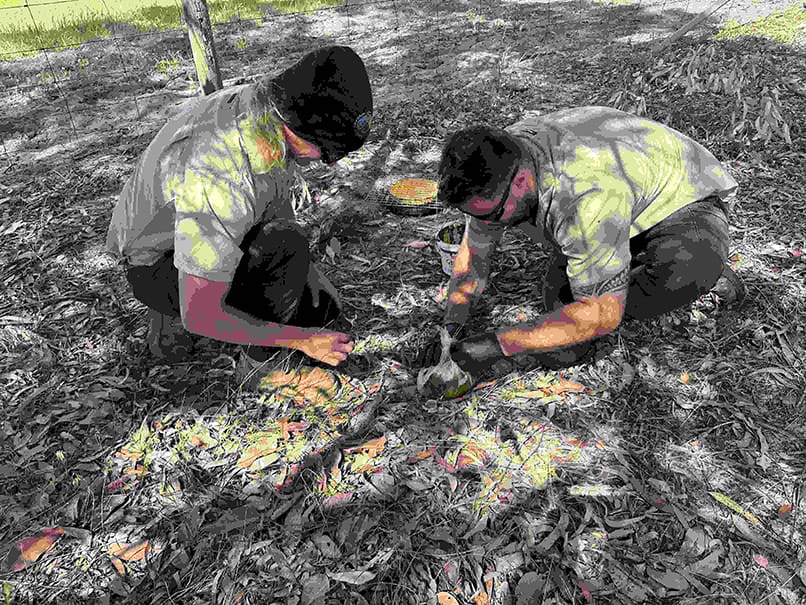
The Ellen Brockman Integrated Catchment Group (EBICG) – in partnership with the Wilson Inlet Catchment Committee – is leading a community-driven dung beetle monitoring program across Chittering, Bindoon, Gingin and Wannamal. What began as curiosity about flies is now providing vital scientific insights into soil health, sustainable grazing and natural fly control — with benefits that stretch far beyond the wine regions.
“The connection between flies in Chardonnay and dung beetles in cattle country isn’t as strange as it sounds,” said EBICG Sustainable Agriculture Officer Amanda Bland.
“Increased fly activity – whether it’s vineyard visitors swatting at their wine glasses or livestock bothered in the paddock – has become a growing concern across viticulture and farming.”
“Dung beetles offer a natural, cost-effective solution. By quickly burying livestock manure, they interrupt the fly breeding cycle, suppress larvae and reduce emerging populations.”
“If we strengthen dung beetle populations across the farming landscape, we support our tourism, agriculture and environment at the same time.”
Supported by Perth NRM through the provisions of workshops and education resources, the project monitors beetle and fly populations across five local cattle properties, contributing to a broader study spanning more than 40 sites across southwest WA.
The early findings – monitored since the beginning of September – are eye-opening! Each property appears to host a “dominant” dung beetle species – often Onthophagus taurus or Bubas bison – introduced species in Australia where native species are not well-adapted to the dung of introduced livestock.
Some traps collected over 200 beetles, while others just a few. Organic and chemical-conscious management practices are linked to stronger beetle numbers, and a native species has been spotted on several northern sites, expanding understanding of local biodiversity.
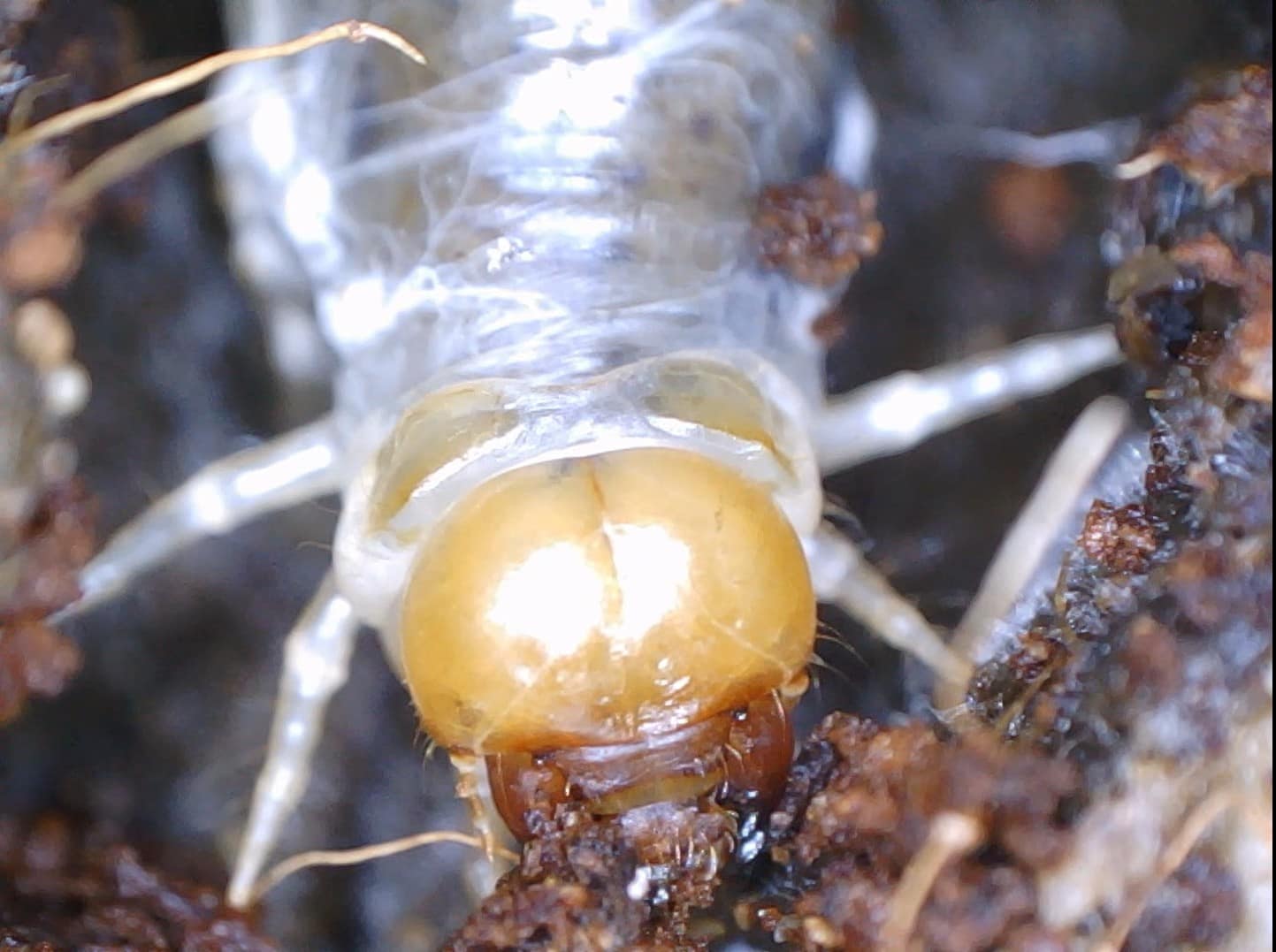
“These patterns show just how sensitive dung beetles are to soil conditions, grazing rotations and chemical use,” Bland said. “This is the kind of information that can shape better, more resilient farming practices into the future.”
What began as ‘just monitoring’ has also rapidly become a powerful education program. Many landholders are now asking how to protect beetles, adjusting drenching regimes, requesting beetle releases and joining Perth NRM’s movement towards sustainable agriculture.
“When landholders see the direct benefits – better nutrient cycling, fewer flies, healthier pastures – it opens the door for deeper conversations about grazing, chemical use, parasite management and long-term sustainability for land,” said David Broadhurst, Perth NRM’s Executive Manager for Agriculture.
“One farmer who recorded unusually high numbers of the large Bubas bison, for example, sparked deeper discussions about the role of organic land management in building resilient beetle populations.”
“The partnership with Ellen Brockman Integrated Catchment Group has helped bring those opportunities together.”
With enthusiasm surging, EBICG is now exploring the establishment of a local dung beetle nursery – a first for the region.
“This would allow local WA landowners and farmers to source beetles to boost their paddocks, improve soil health and reduce fly burdens naturally,” Bland said. “It keeps the benefits in our own community and builds long-term resilience.”