

Serena Kirby, Denmark Bulletin
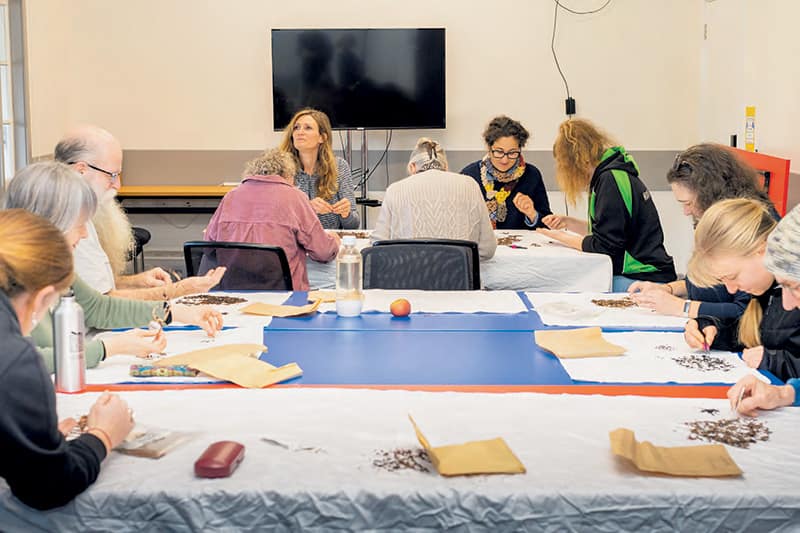
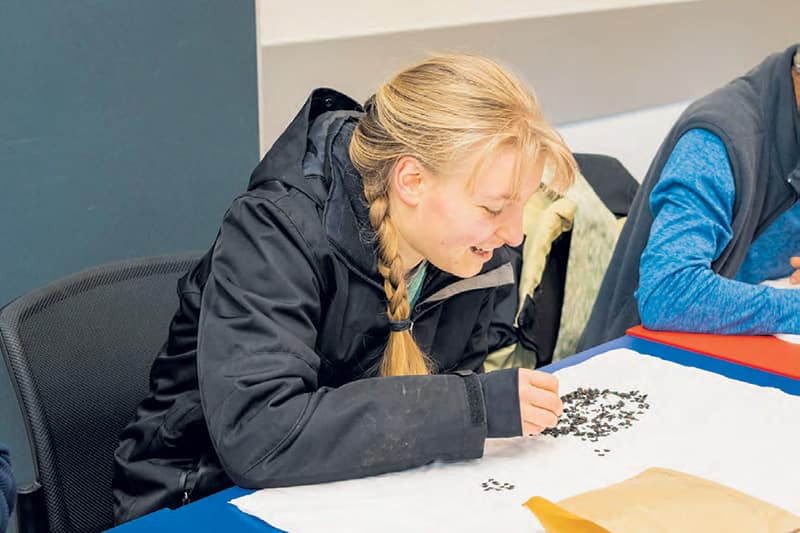
It was eyes down and tweezers poised at a recent seed sorting session.
The Wilson Inlet Catchment Committee-organised activity was part of the committee’s Cockies for Cockies program that’s working to re-establish and protect habitats and food sources for three threatened black cockatoo species: Carnaby’s, Baudin and red-tailed black cockatoos.
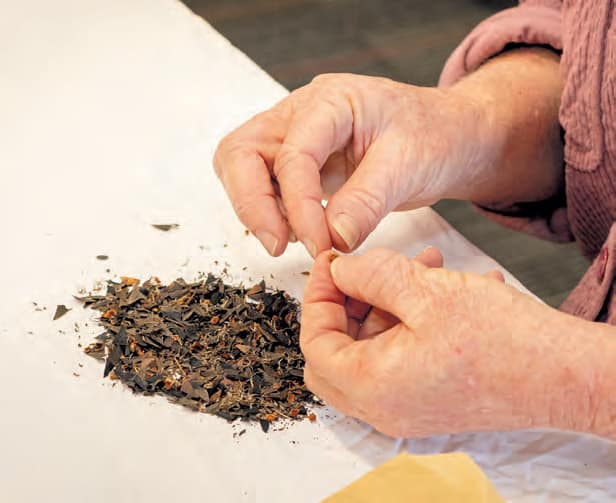
A group of volunteers took on the delicate task of separating seeds from seed pods, leaf litter and bark debris.
The aim was to pick out the seeds from plant species favoured as food by the local black cockatoos, in particular marri and jarrah trees and banksia species.
WICC project officer Natalie Wellen said seed sorting was a labour intensive and multi-step process which took several rounds of cleaning, processing and sorting to end up with unadulterated seed ready for planting.
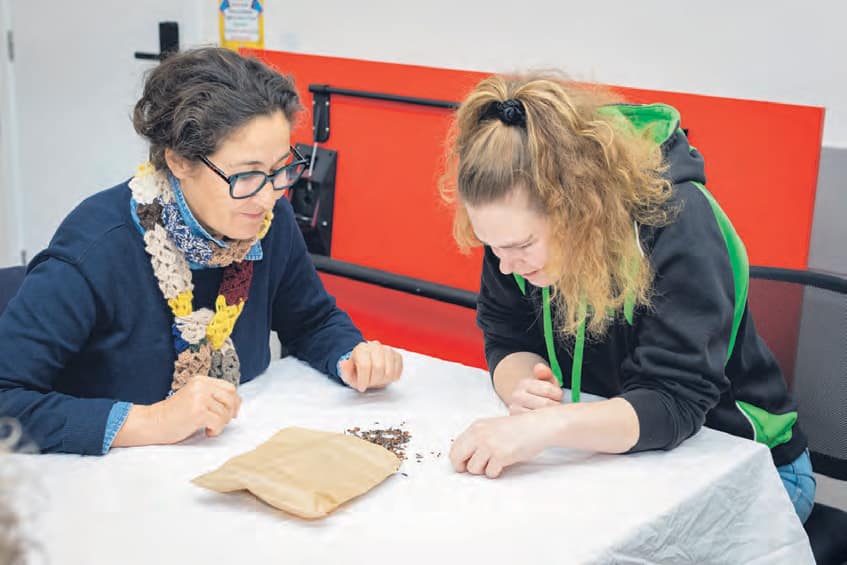
“We sorted tens of thousands of seeds at the session and it was great to see everyone so enthusiastic and engaged in the process,” Natalie said.
“Many of the sorters told me how much they enjoyed it and how social it was as it was a bit like doing a delicate puzzle with other people.”
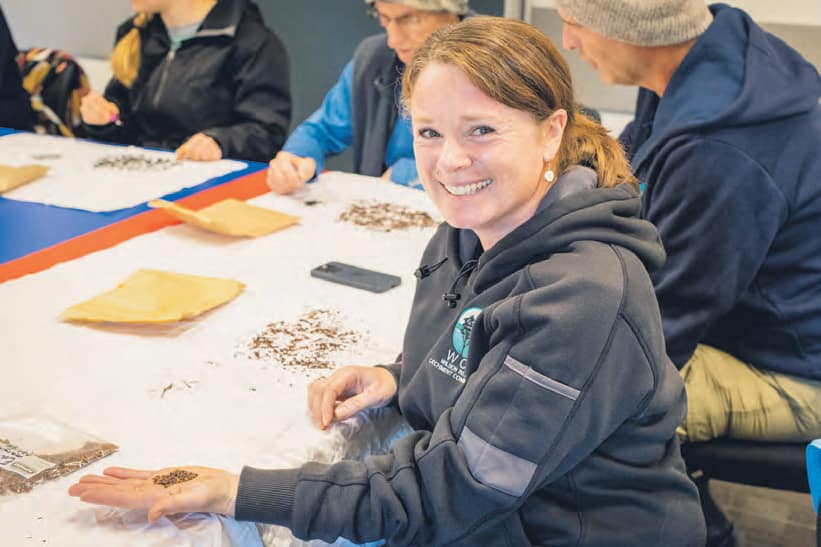
Once ready the seeds are then propagated at a big-scale facility in Albany before being given to local farmers and groups for planting.
“We need to protect these cockatoos and get their habitats and their food sources back so they stick around for the future, so our kids get to see them,” Natalie said.
There were fewer than 5000 Baudin’s black cockatoos left making them critically endangered and it was important to act now to protect them.
This article appeared in Denmark Bulletin, 7 August 2025.

