


The never-ending quest for any leader is to engage and motivate people. If only there was a magic wand to enable this! The ability to motivate others is the never-ending issue for every parent, leader, manager, coach, teacher, or farmer since the dawn of time. Yet it remains one of the most misunderstood aspects of leadership.
Many leaders assume that monetary rewards, threats, or external perks are the ultimate drivers of motivation. Whilst these factors play a role, true and lasting motivation comes from deeper sources. I thought I would share what has been researched and proven to motivate others. First and foremost a leader must foster an environment where people feel valued, engaged, and driven to excel. Easier said than done! To understand this, a leader must understand motivation.
Intrinsic V Extrinsic Motivation
Motivation can be divided into two primary categories:
- Extrinsic motivation: This comes from external rewards like salaries, bonuses, promotions, recognition and prizes.
- Intrinsic motivation: This arises from within, driven by personal commitment, fulfilment, interests, and the satisfaction of completing meaningful tasks.
Whilst extrinsic rewards can spark energy and enthusiasm, it has short-term effects. Intrinsic motivation has a far more profound and lasting effect on people.
Achievement and Recognition
Research continually highlights that the number one motivator of people is a sense of achievement and the recognition that goes with it. A sense of success is what fuels confidence, pride, and self-esteem. Acknowledgement by a leader symbolises that a person is a valued thus fostering a sense of belonging. It amazes me how often this simple key ingredient of motivation is missing or overlooked by a leader.
Some ways to foster achievement and recognition include:
- Celebrate team and individual achievements regularly, both small and bigger wins;
- Recognise milestones, they are important to people (birthdays, years of service);
- Genuinely and authentically praise and thank people for their efforts and achievements; and
- Catch people doing things right, rather than focusing on what is wrong!
Relationships and Belonging
Effective teams require socialisation. Fostering a familiar, supportive, safe, and welcoming environment is the 101, “don’t pass go” for any team. This is owned by the leader. A poor team climate is always a reflection of poor team leadership. Feeling valued is a fundamental human need. Fostering an inclusive environment requires a team cadence (this is how teams’ team). Habits, routines, and rituals are how team socialisation occurs. Socialisation leads to familiarity. It is impossible to be a high performing team if people do not know each other!
A leader will kill relationships and belonging if they:
- Tolerate bullying, name calling, or toxic behaviours;
- Allow cliques to form, thus excluding others;
- Have favourites and treat others as outsiders or as less important; or
- Do not actively listen to the needs of people, or choose to ignore them.
Autonomy and Growth
If people are constantly supervised and micromanaged, they will never grow! A sense of autonomy over the role they have and the decisions they make helps engender responsibility and accomplishment. Growth and learning allow a person to continually improve their skills and attributes. Adult learning requires trial and error in order to learn. People are naturally motivated to improve their skills and excel in areas that matter to them. What drives a person will always inform a leader on where to focus their growth and learning pursuits.
To foster a sense of autonomy and growth a leader should:
- Know what drives and interests a person;
- Set an expectation that people must continually grow and learn;
- Create clear mechanisms and methodologies for people to grow;
- Facilitate empowerment to allow people to be responsible for their own roles and decisions; and
- Stop micromanaging people. It stops their decision making.
Purpose and Meaning
If people do not care about where they work, or who they volunteer for, there will never be any personal commitment, and motivation will always be low. People want to feel their efforts contribute to the greater good or make a difference. When people understand how their efforts contribute to strengthening their community or organisation, they feel a stronger sense of pride, commitment, connection, and fulfilment.
Fostering purpose and meaning requires a leader’s intent. This means a leader will need to:
- Constantly communicate and link any vision, mission, and purpose to the team;
- Show how each person’s role links to and aligns with any organisational goals;
- Share success stories and examples of how people’s efforts make a difference; and
- Repeat, link, and then keep repeating and linking communications to purpose and meaning. Just when you get sick of saying it, some people will just be starting to get it!
Finally, Five Common Motivation Pitfalls
It is important for leaders to also understand what demotivates people, and to avoid them.
- An over reliance on monetary rewards. Whilst pay and bonuses matter, they are no substitute for achievement, purpose and recognition
- Neglecting individual differences. Every person is unique, so you cannot assume what motivates one person necessarily motivates someone else. Know what makes a person tick!
- Failing to act on feedback. Doing nothing or ignoring something is the surest way to demotivate people. Get back to people, and close feedback loops. Failure to act on feedback signifies a lack of respect!
- Creating a pressure cooker environment. Constant pressure, emotional outbursts by a leader, or setting unrealistic expectations lead to burnout and feelings of survival.
- Assuming people are OK and motivated. Everyone has a both a professional and personal life. It is important for leaders to regularly check in with people to ensure they are OK
Leadership Lesson
Motivation is about creating an environment where people feel valued, empowered, and trusted.
By focusing on intrinsic motivators like purpose, autonomy, belonging, and value people will more likely be inspired and motivated to do their best.
Facta Non-Verba – Deeds Not Words
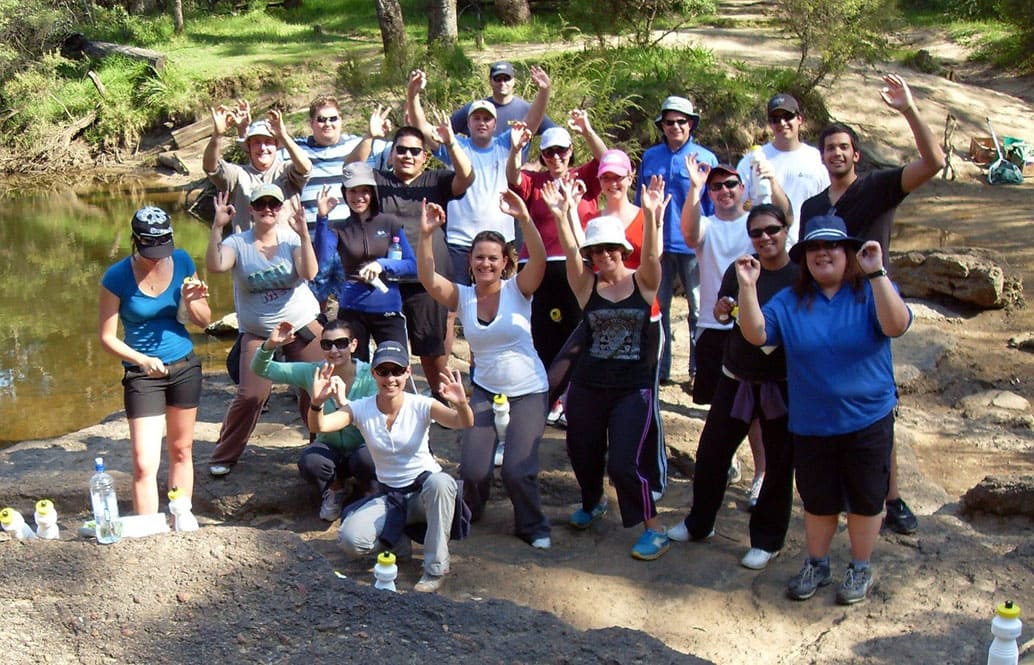
Photo: David Stewart.

