
Department of Biodiversity, Conservation and Attractions (DBCA), June 2024. All photos courtesy DBCA.
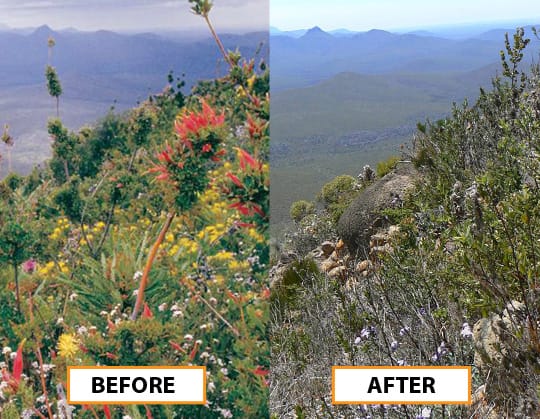
Man’s best friend is being used to help identify a dangerous pathogen killing native Australian plants in parks around Perth and in conservation reserves and national parks in south west WA. Phytophthora (cinnamomi) dieback is known as the “biological bulldozer”.
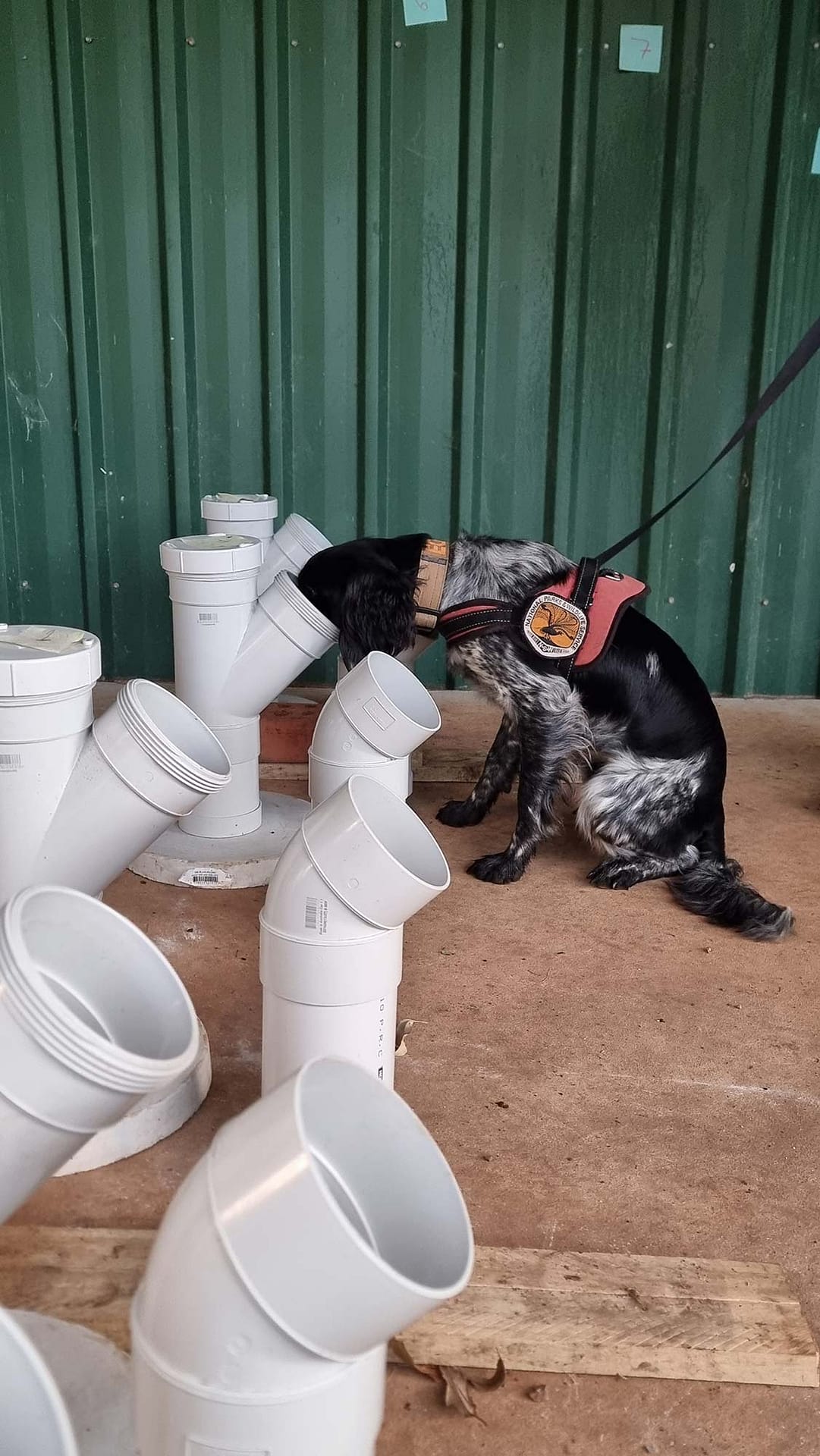
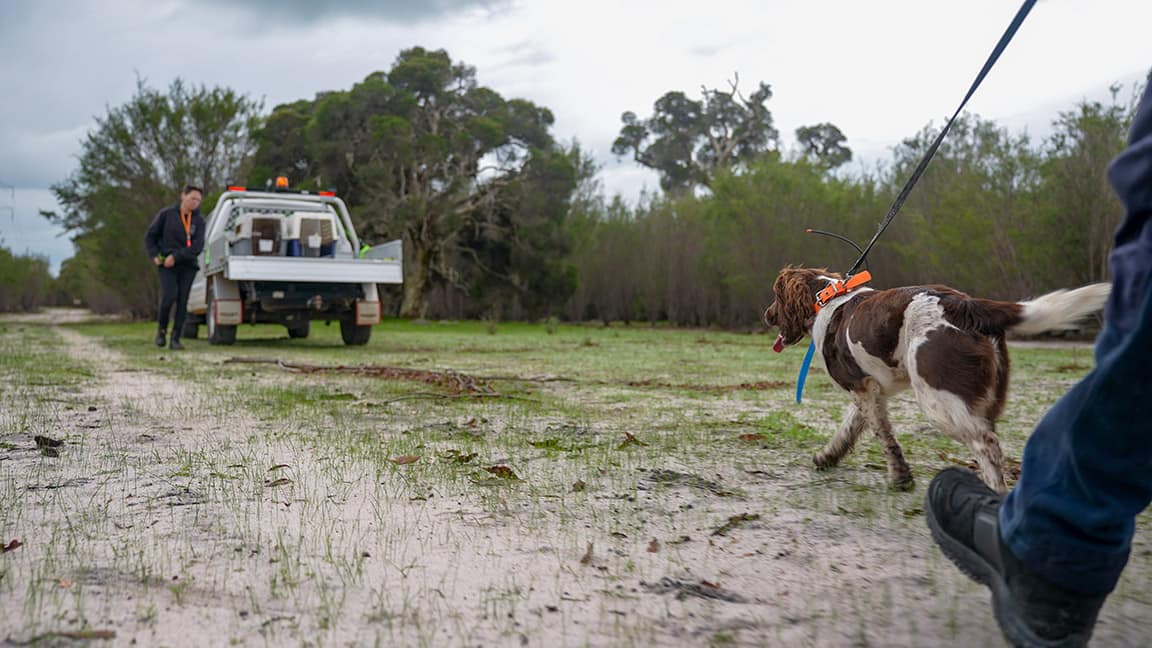
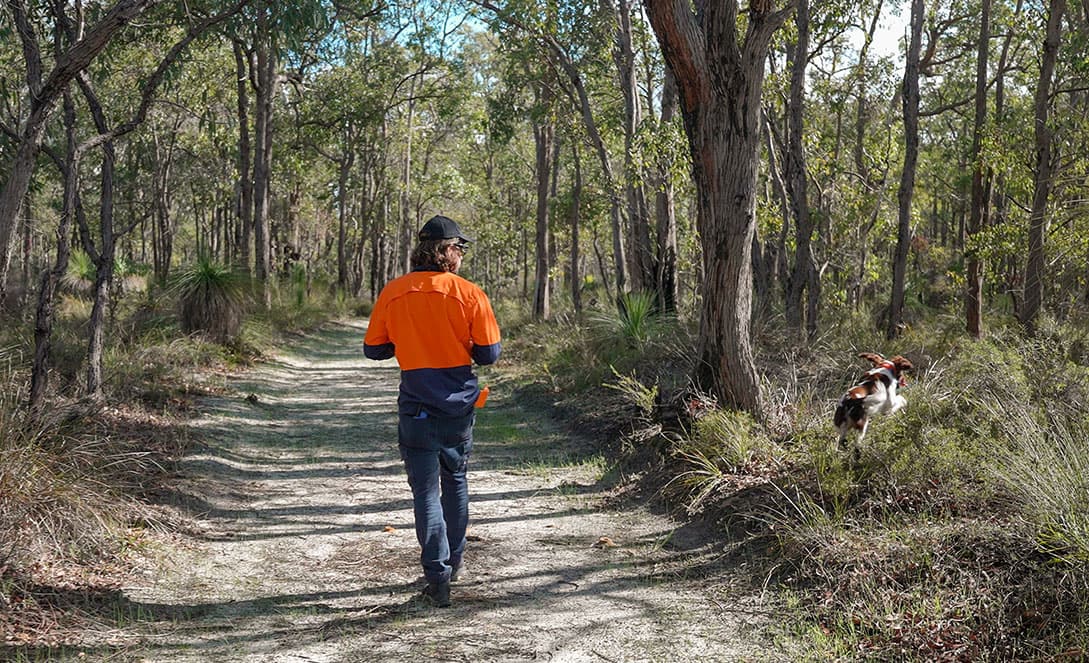
Detector dogs are being used to sniff out danger for conservation benefit, namely identifying Phytophthora (cinnamomi) dieback in the field and in samples in the lab.
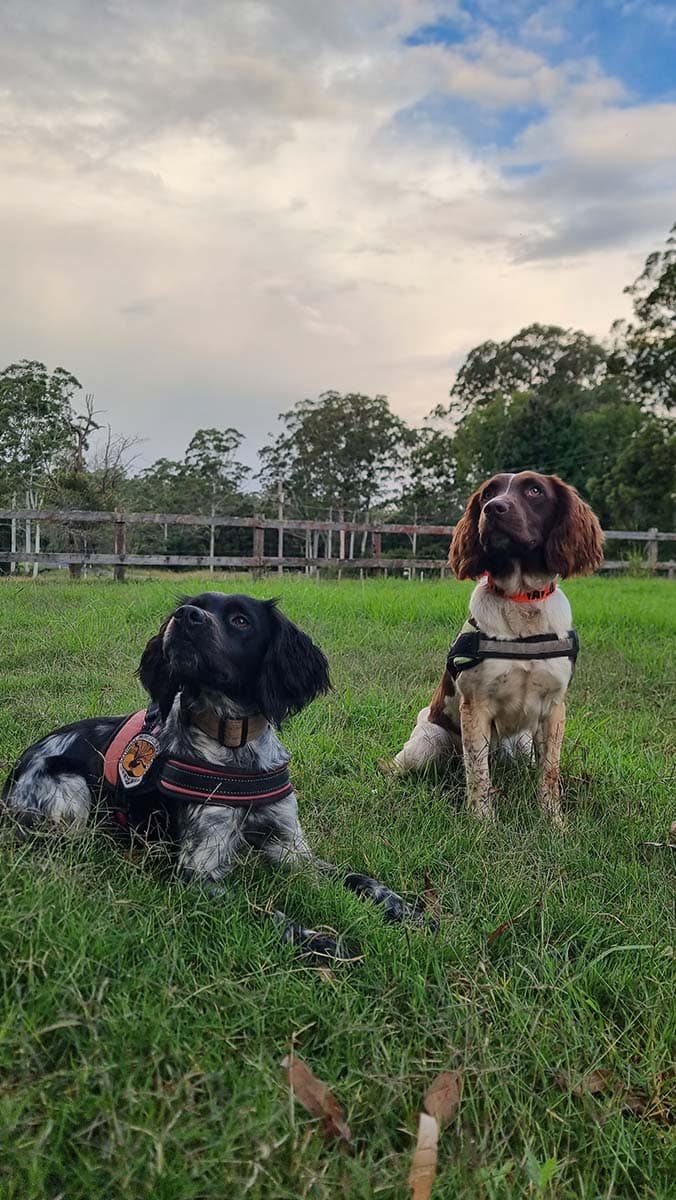
DBCA’s Ecosystem Health Branch has brought two scent-detection dogs over from NSW for a week-long trial testing their abilities in the lab and in the field in WA.
The dogs – Echo and Alice – have been trained to sniff out the soil-borne disease that damages native plants and threatens the health and resilience of national parks, reserves and public gardens.
If the trial/feasibility study is successful, the Ecosystem Health Branch will be seeking partners to help fund a similar dog detection team in WA, to be used to help prevent spread of dieback in areas on the south coast and in the south west.
This would save money on bringing dogs over from NSW to WA. It would have a benefit in the lab, in identifying samples at an early stage to help detect areas of concern – saving time and resources. Once identified, measures can be put in place to prevent spread of dieback.
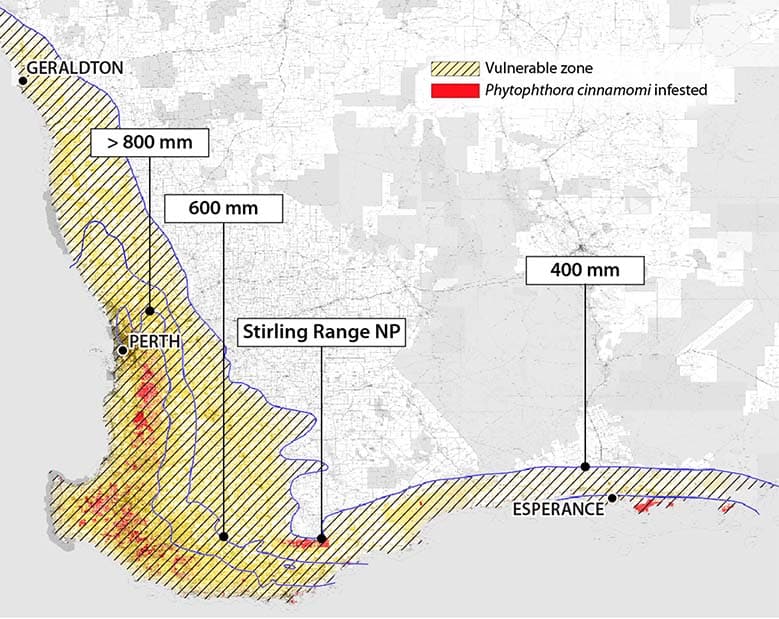
About 40 per cent of the plants in the south west of WA are susceptible to Phytophthora dieback, which is also known as the ‘biological bulldozer’.
Dieback detector dogs – Useful information.
Watch the Channel 10 Perth story here.