

Animal Health Australia, 24 May 2024
Dear members and stakeholders,
We wanted to ensure you had the most accurate and up to date information as it comes to hand on the avian influenza incident in Victoria:
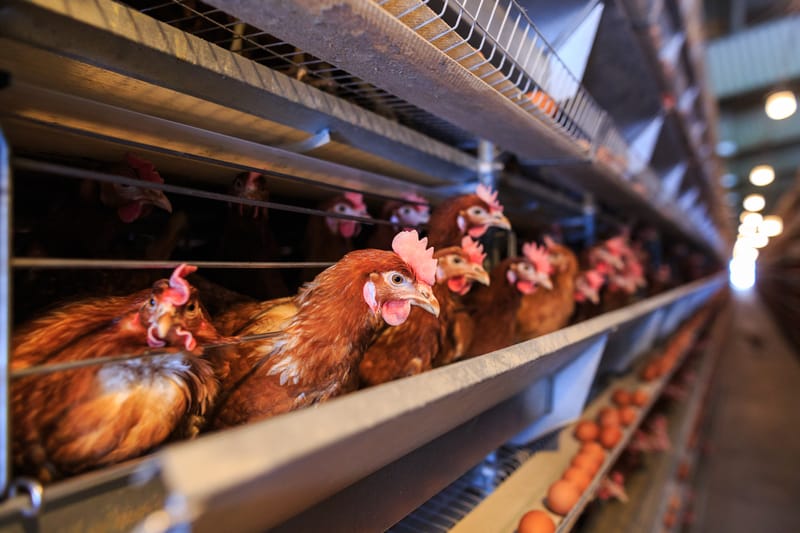
- On 22 May 2024, Agriculture Victoria confirmed a detection of high pathogenicity avian influenza (HPAI) H7N3 in poultry on a caged, barn, and free-range production egg farm in Meredith, Victoria.
- Testing at the CSIRO’s Australian Centre for Disease Preparedness (ACDP) laboratory has confirmed the Meredith incident is caused by an H7N3 strain, not the H5 strain of avian influenza that is currently causing concern globally.
- On 23 May 2024, a second Victorian poultry farm in the Terang region was confirmed to have avian influenza following investigation by Agriculture Victoria as part of their tracing activities for the first property. This property is approximately 110 km from Meredith.
- Restricted areas have been established around both infected premises, and broader control areas are also in place.
- Movement controls are in place, restricting the movement of poultry, poultry products, equipment, and vehicles onto and off the two infected premises while other premises with susceptible species within the restricted and control areas also have movement controls.
- Both farms have been quarantined, and field teams have been deployed to the areas to support the impacted businesses and broader industry by implementing movement controls and undertaking activities to contain and eradicate the virus.
- There is no connection between the detection of avian influenza in Victorian poultry and the recent detection of HPAI H5N1 avian influenza in a person who recently returned from travel overseas where the HPAI H5N1 strain is prevalent.
- The Victorian Government and affected livestock industries are working together to manage this outbreak with the aim of containing and eradicating the disease as quickly as possible.
- Updates on the situation can be found on the Agriculture Victoria and Outbreak.gov.au websites.
- Victorian media releases can be found at Media releases | Media centre | About | Agriculture Victoria
Livestock producers are reminded to report any sick or dead birds as a priority to the 24 hour Emergency Animal Disease Hotline on 1800 675 888.
Key facts:
- Avian influenza is a serious disease of poultry and occurs worldwide.
- Avian influenza virus strains are usually classified into two categories according to the severity of disease in poultry:
- High pathogenicity strains can cause severe clinical signs and potentially high death rates among poultry.
- Low pathogenicity strains typically cause fewer or reduced clinical signs in comparison.
- Chickens, ducks, geese, turkeys, guinea fowl, quail, pheasants, emus, and ostriches are susceptible to avian influenza. Many species of wild birds, including waterfowl and seabirds, can carry the virus.
- The virus is mostly spread by wild birds, particularly ducks, contaminating food or water supplies. For this reason, the disease remains a constant biosecurity threat.
- Avian influenza can also be spread by the movement of eggs, birds, people, vehicles, and equipment between farms, and by clothing, footwear, aerosols, water, feed, litter, biting insects and vermin.
- Eggs and chicken meat are safe to eat provided they are handled and cooked according to standard food handling practices.
- As more information comes to hand, Agriculture Victoria will provide updates and media releases via their website. You can also stay up to date on the AHA website.
Warm Regards,
Animal Health Australia