

You can take the boy out of the bush – but not the bush out of the boy.
Promoting consumptive harvest of wild food and particularly wild duck and geese gathered across Australia has been a long-standing passion for Glenn Falla, who offers the following thoughts.
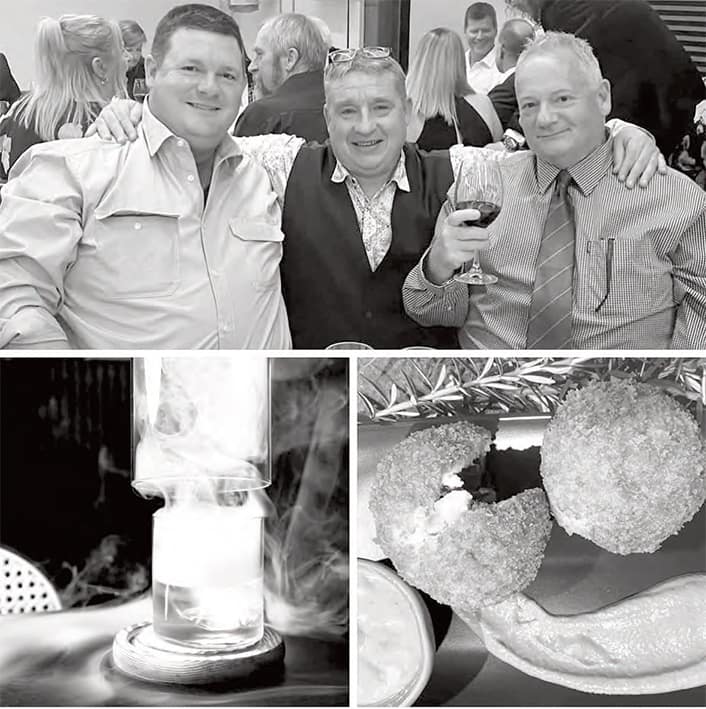
A fascination with traditional hunting and gathering and ethical use of nature’s pantry and all that it has to offer continues to be shared as food for thought.
In our modern world of convenience, “wild food” and “craft whiskey” are often framed as luxuries – something for connoisseurs, not survivalists. Yet, if we look back far enough, both are rooted in the same human impulse: to connect with nature through taste, community, and ritual.
Hunter-gatherer societies lived in deep relationship with the land. Every ingredient – whether hunted, foraged, or fermented – carried a story about place, season, and effort.
Fermentation itself was an early form of innovation: a way to preserve, celebrate, and share abundance.
When we raise a glass of whiskey today, we’re participating in a legacy that stretches tens of thousands of years – from the first wild grains crushed by hand to the distiller’s craft that captures a landscape in a bottle. Like wild food, whiskey at its best expresses terroir: soil, water, climate, and time distilled into experience.
As interest grows in foraging, regenerative agriculture, and provenance-driven spirits, perhaps we’re rediscovering something ancient: That food and drink aren’t just fuel or indulgence – they’re how we belong to the world.
Questions for reflection:
How can modern makers and consumers bring a bit more “wildness” – authenticity, connection, and respect for origin – back into what we create and enjoy?
Are you game?
This article appeared in The Buloke Times, 11 November 2025.

