

Lockyer Valley Regional Council, Media Release, 20 May 2025
Lockyer Valley Regional Council has made changes to its local laws to assist those struggling to secure housing by allowing short-term residential use of caravans.
Following community consultation earlier this year, Council resolved last month to amend its Subordinate Local Law No. 1.3 to allow temporary residential use of caravans, subject to conditions that manage public safety and amenity.
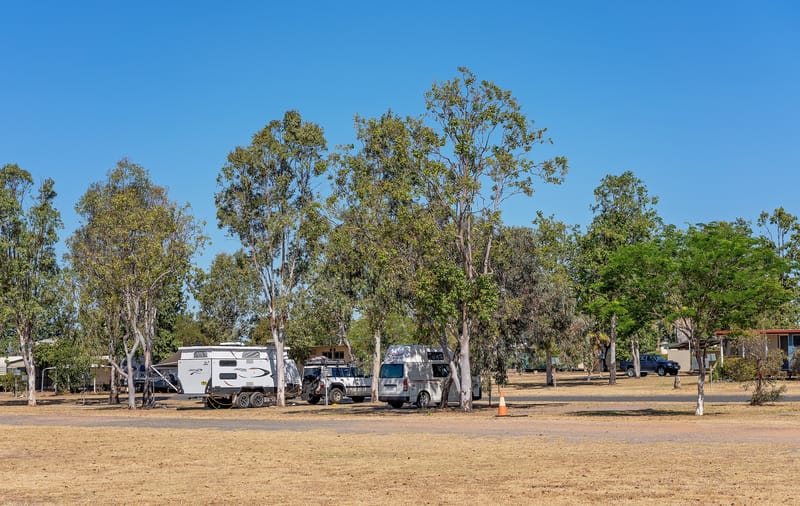
The changes, which came into effect on 2 May, allow landowners or occupiers to let family or friends reside in a caravan on their property at no charge for up to six months in a 12-month period, without the need for Council approval. These changes will be in effect until 31 December 2027.
Council’s Regulatory Services Portfolio Councillor Cheryl Steinhardt said prior to the changes, the use of caravans outside of a caravan park was only approved in very limited circumstances.
“These approvals were limited to situations where a landowner wanted to reside in a caravan on their land while they constructed or renovated their home,” she said.
Cr Steinhardt said the changes give people another housing option amid low rental vacancy rates and cost of living pressures.
“While the State and Federal Governments carry the responsibility for meeting housing demand, allowing for the temporary use of caravans is a practical step local governments can take,” she said.
“Not only does it benefit people waiting for a rental to become available or for a property to settle, it also supports people doing it tough.”
Cr Steinhardt said conditions have been put in place to ensure an appropriate standard of living for caravan occupants and to protect neighbourhood amenity.
“For example, there must be a residential dwelling on the land with a potable water supply and toilet and shower facilities available to those residing in the caravan,” she said.
“The caravan must not be used by more people than it is designed to accommodate, no grey water is to be deposited on site, and specific boundary setbacks must be adhered to.”
Amendments have also been made to allow the use of a temporary home (not a Class 10a building) on a vacant lot for up to two weeks in any 52-week period without approval from Council.