

AFL legend Robert ‘Dipper’ DiPierdomenico is among those encouraging Australians aged 50 years and over to be aware of their risk of the disease during shingles awareness week, which runs from February 24 to March 2.
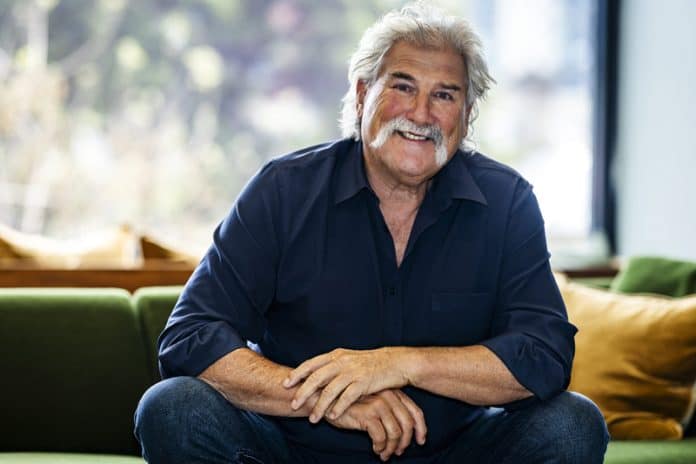
Mr DiPierdomenico and fellow shingles awareness week ambassadors journalist Shelly Horton and news presenter Deborah Knight have all experienced first-hand the pain and impact of shingles.
As well as experiencing the painful and debilitating impact of shingles himself the former Hawthorn Football Club player has also cared for his partner during her shingles diagnosis.
“Compared to the pain of many of my sporting injuries, shingles was relentless,’’ Mr DiPierdomenico said.
“It put me out of action for nine days.
“I had a large, itchy, red rash suddenly appear on the left side of my body.
“It was so uncomfortable, I slept on a mattress in the lounge room with the air-conditioning running to try and find some relief.
“It was horrible to experience personally and I know some of my loved ones, like my partner and my mum, have also experienced the pain and discomfort of shingles.”
Healthdirect says you can’t catch shingles from someone who has shingles, but you can get chickenpox from someone who has shingles if you have never had chickenpox or the chickenpox vaccine.
If you have shingles, you should avoid contact with people who may be more at risk and help prevent it from spreading by avoiding sharing towels, playing contact sports and swimming.
There is no cure for shingles but starting antiviral therapy within three days of the rash appearing can reduce the severity of your symptoms and reduce the risk of further complications.
After having chickenpox, the virus stays in the nerve cells of your body but is not active.
Shingles occurs when the virus becomes active again usually many years later.
The virus may be reactivated by stress, illness, immunosuppression, older age, trauma and radiotherapy – but shingles often occurs for no known reason.
Health WA said almost all adults over the age of 30 have been infected with chickenpox (the varicella-zoster virus) and it was estimated that one in three people would get shingles in their lifetime.
As a person gets older the risk of getting shingles and neurological complications increases.
Shingles can occur in anyone who has had chickenpox, as the virus remains dormant in the body and can reactivate later in life.
Shingles mainly affects older adults and individuals with weakened immune systems.
The initial symptoms of shingles can include tender and painful skin, sensitivity to light, headache and tiredness.
The shingles rash consists of painful red bumps which turn into fluid-filled blisters, which will burst and then heal into a crusty surface over two weeks.
The pain caused by shingles can persist for weeks or months, this is called postherpetic neuralgia.
If you have a shingles rash and it becomes infected, this could lead to scarring.
Shingles occurring in the eye area could result in temporary or permanent vision loss.
Being vaccinated with the shingles vaccine will help protect you from getting shingles.
Vaccination is recommended for older adults.
The Shingrix vaccination is free for people aged 65 years or older, Aboriginal and Torres Strait Islander people aged 50 years or older and immunocompromised people aged 18 years or older with certain medical conditions.
If you want to know more about shingles you can call healthdirect on 1800 022 222.
The shingles awareness week campaign is sponsored by GlaxoSmithKline Australia.
This article appeared on Yanchep News Online on 24 February 2025.

