

As MacKillop heads toward the March 2026 state election, voters are being challenged to weigh experience, independence, and influence.
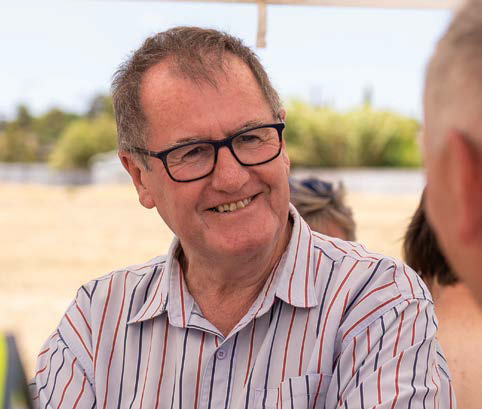
Labor candidate Mark Braes makes his case in an exclusive Q&A with The [Naracoorte] News, pitching decades in law, local government, and mayoral leadership—alongside the leverage of being part of a governing South Australian Labor Party.
Mr Braes focuses on cost-of-living relief, housing, health, childcare and roads, while avoiding direct criticism of sitting independent Nick McBride or Liberal challenger Rebekah Rosser.
His responses in this interview raise pointed questions for voters: Is being “in government” the decisive advantage for MacKillop, or does local independence still matter most, and do funding announcements translate into lasting outcomes for regional communities?
As the contest tightens in what has long been considered conservative heartland, this interview lays out Mr Braes’ vision—and leaves it to voters to judge whether his experience, party backing, and promises are enough to earn their trust at the ballot box.
The [Naracoorte] News: Why should the people of MacKillop choose you as their local MP—what specific skills or experience do you bring that make you the best person for the job right now?
Mr Braes: With decades of experience and skills gained as a lawyer, mediator, councillor, and mayor of Wattle Range Council for over 11 years, I have a strong track record as a community leader and advocate for our region. I’m ready and willing to continue that work and to effectively represent the electors of MacKillop as a member of a Malinauskas Labor government.
The [Naracoorte] News: From your conversations across the electorate so far, what do you believe is working well in MacKillop—and where do you think the system is clearly failing residents?
Mr Braes: I believe there is confidence in our community that our state will continue to prosper as a result of the capable management of the South Australian economy. Concerns have been raised over cost-of-living pressures and in relation to the ability for first home owners to enter the housing market. Under a Malinauskas Labor government a further $118.3 million will be provided in cost-of-living relief and in the 2024-25 state budget, the Malinauskas Labor government abolished stamp duty for all first home buyers who buy or build a new home and extended the First Home Owner Grant by removing the $650,000 property value thresholds. Last financial year, this resulted in over $120 million in stamp duty relief and First Home Owner Grants.
The [Naracoorte] News: If elected, what are the top three issues you would prioritise in your first 12 months, and how would you measure whether you’ve actually delivered results?
Mr Braes: If elected, I will continue the substantive investment in our health and hospital system across MacKillop by the Malinauskas government, facilitate further child care investment, and build on the investment in our road infrastructure that is critical in facilitating our continuing economic development.
The [Naracoorte] News: MacKillop has long been seen as conservative heartland territory—what is your strategy for winning the trust of voters who have never voted Labor?
Mr Braes: I will continue to promote the success of the Malinauskas Labor government, highlighting the ongoing investment in our communities, and, as a member of government I would be able to maximise the development of our local economic, community, and social wellbeing. Just the other week I had the premier here with me announcing a new OSHC provider for Naracoorte Primary School along with funding for the Millicent RSL and building homes for workers in Bordertown with the Tatiara (District) Council. These speak to a government that is working in the interests of all South Australians, no matter where they live.
The [Naracoorte] News: As a small business owner, what practical changes would you push for to better support local businesses, regional jobs, and economic growth across the South East?
Mr Braes: Like the state overall, MacKillop is experiencing business confidence and growth during a period of responsible economic management of the state’s finances by the Malinauskas Labor government. Ensuring small businesses can access government advice and support via its services, and Regional Development Australia Limestone Coast will continue to support economic development and growth.
The [Naracoorte] News: How do you assess the current state of key services in the electorate—particularly health, housing, childcare, and roads—and where do you believe urgent intervention is needed?
Mr Braes: Key services in our electorate are improving due to the substantial investment by the Malinauskas Labor government. Investments have been made in Naracoorte and Keith hospitals, community health, and road construction, improving the safe transport of people and products. Increased investments in road maintenance have been critical in addressing the deteriorating road conditions resulting from the privatisation of road maintenance by the previous Marshall Liberal government.
The [Naracoorte] News: You are contesting a seat currently held by independent MP Nick McBride, with the Liberals also running Rebekah Rosser—what do you see as their strengths and weaknesses, and why are you the stronger choice?
Mr Braes: I will not critique the strengths and weaknesses of my opponents. My experience speaks for itself; if elected as a Labor member of a Malinauskas Labor government, I will be part of a team in the strongest position to advance the interests of our communities.
The [Naracoorte] News: If elected, how will you ensure you remain accountable to the people of MacKillop—not just during the campaign, but throughout your full term in Parliament?
Mr Braes: If elected, I will be accessible to all our communities, build productive working relationships with local government and other community leaders, and report regularly to our communities about matters before the Parliament relevant to them.
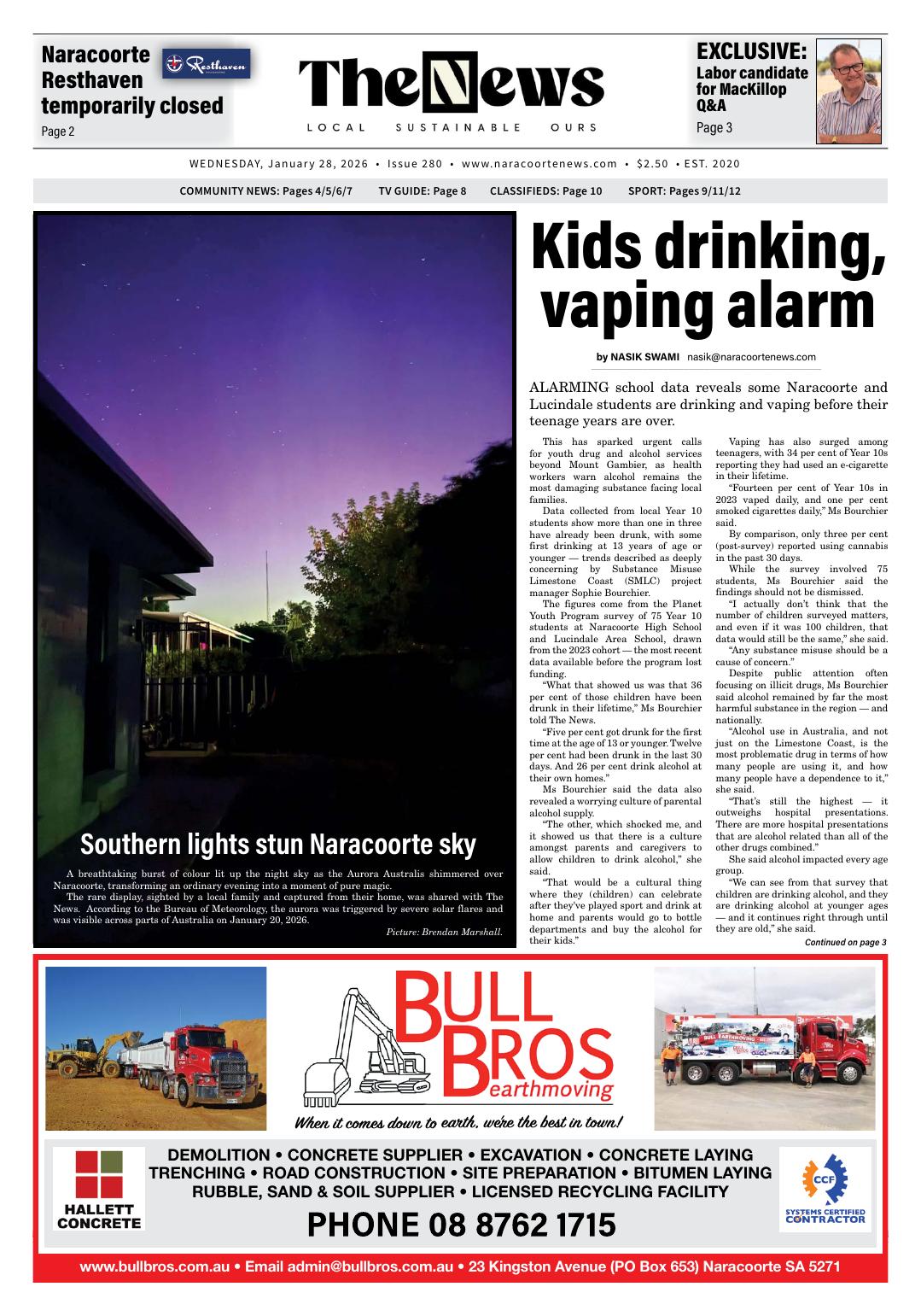
This article appeared in The Naracoorte News, 28 January 2026.
